Detailed Explanation of Field Management Techniques for Fennel
Fennel is a herbaceous plant in the Apiaceae family, distributed throughout China. The tender leaves of fennel can not only be eaten as a vegetable, but are also a commonly used seasoning. The fruit also has medicinal value, with various medicinal effects such as expelling wind and phlegm, and dispelling cold and relieving pain, making it popular with many people. So when growing fennel, how should it be managed? Below, the editor brings you the field management techniques for fennel. Let's take a look!
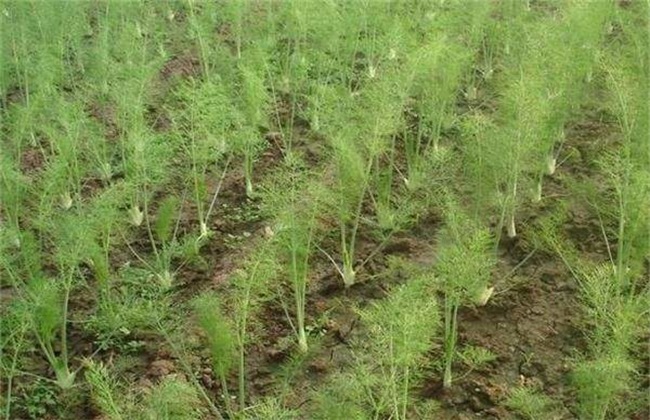
1. Intertillage and Weeding
First, we need to do a good job of intertillage and weeding in the field. Properly removing weeds can improve field aeration and promote the growth of fennel. If weeding is not timely, weeds will not only snatch away the nutrients needed for fennel growth, but also breed various bacteria, causing diseases and seriously affecting the growth of fennel. After weeding, the weeds should be burned away from the field to avoid residual seeds causing weeds to grow again. As for intertillage, it can not only achieve the purpose of weeding, but also improve the soil structure, enhance aeration, and promote the growth of fennel.
2. Water and Fertilizer Management
Fennel growth also has certain requirements for nutrients and water, so we must do a good job with water and fertilizer. During the entire growth period of fennel, topdressing should be applied about 3 times, and the amount of fertilizer applied each time can be appropriately increased. The fertilizers used for each topdressing are mainly farmyard manure, urea, and so on. Then pay attention to watering; watering should not be excessive. During the rainy season, we should also drain water in time to avoid waterlogging causing fennel seedlings to rot and reducing yield. Therefore, before planting, we should dig water ditches well to ensure good drainage and irrigation in the field and promote normal growth of fennel.
3. Frequent Observation
When growing fennel, we should frequently observe the growth of the fennel. For some seedlings with weak growth and pests or diseases, they should be pulled out; otherwise, it is very easy for pests and diseases to spread, expand the affected area, and affect the growth of healthy seedlings. After pulling out the seedlings, healthy seedlings at the same growth stage should be replanted in time to maintain a full stand rate. For some pests and diseases that can be treated, they should be treated in time. If they are no longer worth treating, then they should be pulled out in time.
4. Timely Harvesting
The flowering period of fennel is relatively long, so the seeds mature at different times. Therefore, we should carry out harvesting of fennel in stages according to the actual situation. For the inflorescences that mature first, they should be cut and harvested first. Then after the secondary inflorescences mature, a full harvest should be carried out. The harvesting time of fennel is generally around September each year. After harvesting, it should be dried properly in the sun. Place it in a well-ventilated place to dry in the shade, avoid rain, and when the sunlight is strong, also pay attention to providing shade in time.
The above is a brief introduction to the field management techniques for fennel. The management work of fennel cultivation is very important and is directly related to yield, so everyone must pay close attention to it. That is all for today's introduction. This article is for reference only, and we hope it can help everyone!