A Detailed Guide to Kohlrabi Planting Techniques and Management Methods
Kohlrabi, also known as turnip, is a famous specialty vegetable of China. It is a common vegetable cultivated in various regions of China and is relatively popular in the market. So do you know how kohlrabi is grown? Let's learn about it together with the editor.
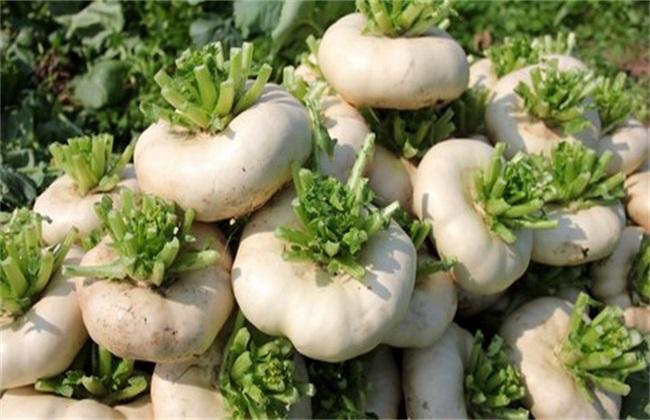
1. Sowing
Kohlrabi can be sown directly or raised as seedlings and then transplanted, but for convenient management and full use of the land, seedling raising and transplanting are mostly adopted. It prefers a cool environment, and its optimum growth temperature is 15-20 degrees. Higher temperatures in the early stage are beneficial to its seedling growth, while lower temperatures and a large temperature difference between day and night in the later stage are beneficial to the expansion of the fleshy root. Its sowing time depends on local climatic conditions. The seedling raising method is the same as that for Chinese cabbage. Choose a good plot, prepare the land and apply fertilizer, and then sow. Thin the seedlings 10 days after emergence. During seedling growth, manage fertilizer and water well. When there are 4-5 true leaves, they can be planted out.
2. Land Preparation and Transplanting
Kohlrabi is a root vegetable, so loam soil with deep, fertile soil and convenient drainage and irrigation should be selected as the planting site. The previous crop should be a vegetable plot or rice field that has never grown cruciferous crops. For land preparation, plow and sun-bleach the soil, and apply 1500 kg of decomposed organic fertilizer and 50 kg of compound fertilizer per mu as base fertilizer. After applying fertilizer, plow and harrow, then make beds. When planting out, use a reasonable density according to the variety. Generally, holes are opened for planting. When planting, bury the taproot in the soil, then lift it slightly so the root system straightens out, press lightly, and water.
3. Fertilizer and Water Management
After planting out, if the weather is dry, water 1-2 times a day. After the plants survive, water appropriately according to weather conditions. Before the fleshy root expands, appropriately control water so the taproot grows deep. After expansion, keep the soil moist. In the later stage of fleshy root formation, pay attention to controlling moisture. Generally, stop watering one week before harvest so the tissue becomes firm and quality improves. Apply fertilizer once 10 days after planting, then once a week afterward. When the fleshy root expands, apply 1-2 heavy fertilizer applications, especially potassium fertilizer. Before each fertilization, loosen the soil and weed first. Water 1-2 days after fertilizing to promote fertilizer dissolution and absorption by the crop. During the growing period, earth up 1-2 times to prevent the root system from being exposed and affecting quality.
4. Pest and Disease Control
The main diseases of kohlrabi include soft rot, viral disease, downy mildew and root rot, which can be controlled by spraying corresponding agents. Pests include cabbage caterpillars and aphids. Cabbage caterpillars can be controlled by spraying Jinyun biological insecticide, and aphids can be controlled with puchihya.
The above is an introduction to kohlrabi planting techniques. We hope it can help you. If you want to learn more related knowledge, please follow us.