What are the high-yield fertilization methods for cowpeas?
Cowpeas are the beans we often eat in our daily lives. Cowpeas are rich in nutrients and are grown on a relatively large area in our country. When growing cowpeas, we need to do a good job with fertilization to meet the nutritional needs of cowpea growth, increase yield, and enhance the quality of cowpeas. So how should cowpeas be fertilized to achieve high yield? Below, the editor will briefly introduce this to everyone. Let's take a look together!
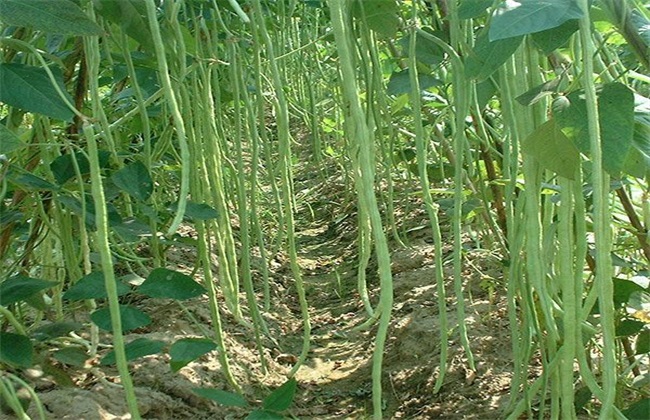
1. Apply sufficient base fertilizer
Although cowpeas have relatively large nutritional needs during growth, their fertilizer tolerance is relatively poor. Before planting, we should choose the planting soil well, mainly soil with sufficient fertility, good permeability, and normal drainage and irrigation. Nitrogen fertilizer. Cowpeas have the greatest demand for phosphate fertilizer throughout their entire growth period. Therefore, when applying base fertilizer, attention should be paid to appropriately increasing the proportion of phosphate fertilizer, followed by potassium fertilizer. However, it is mainly based on fully decomposed farmyard manure. When applying base fertilizer, control the amount well according to the planting area. Farmyard manure is generally 2500kg/mu, and superphosphate is 30kg/mu.
2. Precautions for applying base fertilizer
The growth capacity and growth vigor of cowpeas are relatively long, and their rhizobia are not very developed. Therefore, we should control the amount of fertilizer according to soil fertility and other factors. If the soil quality is good, fertility is high, and a large amount of fertilizer was applied when the previous crop was planted, then the amount of base fertilizer can be appropriately reduced. On the contrary, we need to increase the amount of base fertilizer. After applying the base fertilizer, it should be fully mixed with the soil, and beds should be made and ridges formed. Then apply other fertilizers to improve soil fertility and promote the growth of cowpeas.
3. Control first, then promote
Applying sufficient base fertilizer can enhance the growth capacity of cowpea rhizobia. To promote flower bud differentiation, before cowpeas enter the flowering and podding stage, there are no very strict requirements for water and fertilizer. Therefore, water and fertilizer management should focus mainly on control. If sufficient base fertilizer has been applied, then no fertilization may be needed. Because if there are excessive fertilizer nutrients, it can easily cause cowpeas to grow excessively, raise the position of the inflorescence nodes, and form empty vines. After entering the flowering and podding stage, then appropriately adjust and change control to promotion to promote the growth of cowpeas.
4. Topdressing during the podding stage
After cowpeas set pods and the inflorescences appear, topdress once appropriately, mainly with nitrogen, phosphorus, and potassium fertilizers, combined with watering. After entering the podding stage, mainly keep the soil moist. Water and fertilize about once every half a month to ensure normal plant growth. During the podding stage, topdress about 1000kg of farmyard manure per mu, and apply urea once every two harvests to increase the podding rate. After flowering, we should also appropriately spray foliar fertilizer to advance the maturity time of cowpeas and increase yield.
The above is a brief introduction to high-yield fertilization methods for cowpeas. The fertilization work for cowpeas is very important and is closely related to both yield and quality, so everyone must pay close attention to it. That is all for today's introduction. This article is for reference only, and we hope it can help everyone!