Detailed Explanation of Key Management Techniques for Bitter Melon Seedling Stage
Bitter melon cultivation starts with raising seedlings. The main purpose of raising seedlings is to cultivate high-quality, robust seedlings, which further ensures the future growth of bitter melon and is also the prerequisite for high yield. No matter how you cultivate a weak or diseased seedling, it can never catch up with a good seedling from the start. Therefore, careful management is required during the seedling stage to ensure all seedlings are robust. There are also some special management requirements for bitter melon. Now let us learn about them together.
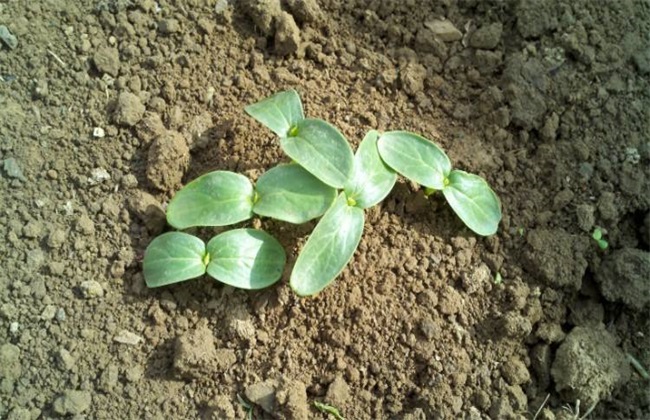
I. Heat Preservation
Seedling emergence requires sufficient temperature, approximately 20 to 25 degrees during the day and 15 to 18 degrees at night. If the temperature is too high, seedlings tend to grow leggy, producing tall-legged seedlings with very long stems but leaves that cannot keep up with stem growth. Such seedlings are prone to lodging. When seedlings are about two weeks old, the temperature can be lowered to 20 to 23 degrees during the day and above 10 degrees but below 15 degrees at night.
II. Fertilizer and Water
Seedlings need sufficient water, but humidity must be controlled. If humidity is too high, seedlings are still small and prone to various seedling-stage diseases. Therefore, the seedling shed needs timely ventilation after watering to prevent excessive environmental humidity. Water approximately once every 5 days, not too frequently. Seedlings need dilute fertilizer water with relatively low concentration when dissolved in water. The fertilizer effect is mild, will not damage roots, and will not cause excessive nutrition or leggy growth. In addition to base fertilizer, one application of dilute fertilizer water or foliar fertilizer spray is sufficient.
III. Hardening Off
One week before transplanting to the field, hardening off should be carried out to exercise the seedlings' adaptability, heat resistance, and drought resistance so they can adapt to the external climate earlier. During the day, gradually begin ventilation, and eventually the cover can be completely removed. However, at night, heat preservation must be maintained. Light should be shaded. Hardening off only uses the greenhouse, then soil should be added to maintain soil moisture.
IV. Weeding and Loosening Soil
After seedlings emerge, since there was relatively more watering earlier, the soil is relatively compact. Therefore, use a small stick to gently loosen the soil across the entire seedbed. Do not loosen too deeply. Loosen at intervals, and loosening 2 to 3 cm is sufficient. However, seedling trays cannot be loosened as this will absolutely damage roots. Weeds should be pulled out promptly, during the seedling stage.
V. Disease Prevention and Control
The main disease is damping-off, which harms many vegetables from seedlings all the way to mature plants. It mainly occurs during the seedling stage. After infection, the stem base of seedlings turns brown and rots, causing direct lodging. It is considered a devastating disease. Use 25% Ridomil wettable powder at 800 times solution or 60% Shadufan wettable powder at 500 times solution. Rhizoctonia rot occurs somewhat sporadically but is severe when it strikes. After infection, seedlings first develop lesions, which gradually expand, and eventually the plants die. Use 5% Jinggangmycin aqueous solution at 1000 times dilution, once every 3 days, for 2 consecutive applications.
Bitter melon seedlings need heat preservation and suitable temperatures to promote growth, but must not become leggy. Apart from base fertilizer, minimal topdressing should be applied during the seedling stage to prevent leggy growth. Loosening soil and weeding can help growth. Hardening off is essential before transplanting to avoid transplant death. The key focus is preventing damping-off.