How to Grow Purple Carrots? Detailed Explanation of Planting Techniques and Management Points
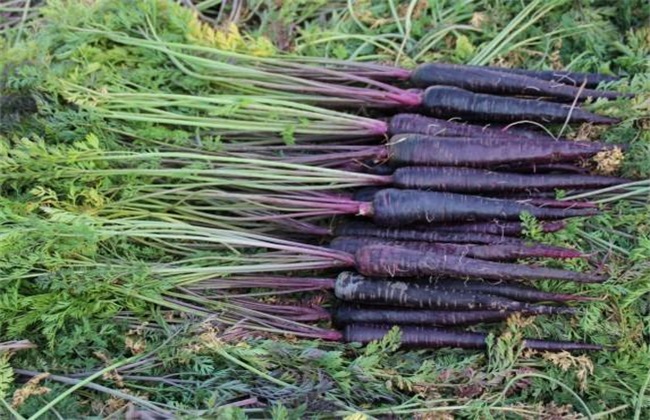
Purple carrots are carrots whose skin color is purple. Their nutrient content is very high, such as vitamin C, carotene, and so on. They can be eaten raw and are also a vegetable, and they also have various medicinal effects such as preventing high blood pressure and relieving eye fatigue. Therefore, there is now a certain planting area in our country as well. So how should purple carrots be grown? Today, the editor brings you the planting techniques for purple carrots. Let's take a look together!
1. Land Preparation and Fertilization
The plot for planting purple carrots should be far away from polluted plots to ensure that the planting environment is suitable for the growth of purple carrots. The planting plot is best suited to sandy soil with sufficient fertility, loose, thick, and with good drainage and irrigation capacity. The previous crop in the soil should not be an Apiaceae crop, to avoid soil-borne diseases. Then plow the soil deeply about 30 cm, finely level and harrow 3 times, and then apply sufficient water. Purple carrots have a relatively large demand for potassium, so potassium fertilizer should be appropriately added to the base fertilizer, but farmyard manure should still be the main component.
2. Timely Sowing
The seed coat of purple carrot seeds is relatively hard and leathery. If not treated, the seed germination rate will be extremely low, and water absorption will also be very difficult. Therefore, before planting, we should rub off the prickly hairs on the seeds, then soak them in warm water at 40 degrees for about 5 hours, then remove them and dry them before sowing. The sowing time for purple carrots is generally in July each year, and it can be appropriately advanced, which can effectively extend the growth period of purple carrots and increase yield. The sowing method is mainly furrow sowing. First, make high ridges, dig the sowing furrows, cover with soil after sowing, then press and water.
3. Seedling Management
After the purple carrots emerge, we should pay attention to thinning the seedlings. When the seedlings grow two true leaves, carry out the first thinning, keeping the spacing of each strong seedling at about 3 cm. Then appropriately hoe shallowly to improve the soil's moisture conservation capacity. Then when the seedlings grow to 4 true leaves, thin again. Finally, when two more true leaves grow, carry out final thinning, and the final spacing of the seedlings should be kept at about 8 cm. Thinning should remove weak seedlings and various other undesirable seedlings to ensure the quality of purple carrots and avoid affecting planting benefits.
4. Reasonable Fertilization
The growth cycle of purple carrots is relatively long, so we should not only apply sufficient base fertilizer. Throughout the entire growth period, we should also do a good job of topdressing, but note that too much nitrogen fertilizer should not be applied, otherwise it is easy to cause excessive vegetative growth in purple carrots. Then about 3 weeks after emergence, carry out the first topdressing, mainly with urea. Then topdress again 45 days after emergence, that is, after the seedlings are finally thinned, mainly with fertilizers such as urea, farmyard manure, and superphosphate, similar to the first time.
The above is a brief introduction to the planting techniques for purple carrots. The planting of purple carrots is actually similar to the planting of ordinary carrots, and the most important thing is still to do a good job in management. That is all for today's introduction. This article is for reference only, and I hope it can help everyone!