What to do when wheat harvest encounters rainy weather
Wheat is grown across a wide range in China, and because the growing regions span a large area, its harvest time also varies widely. In some regions, wheat harvest inevitably encounters rainy weather. So what should be done when wheat harvest encounters rainy weather? And how should it be remedied after harvest? Let's find out together.
1. What to do when wheat harvest encounters rainy weather
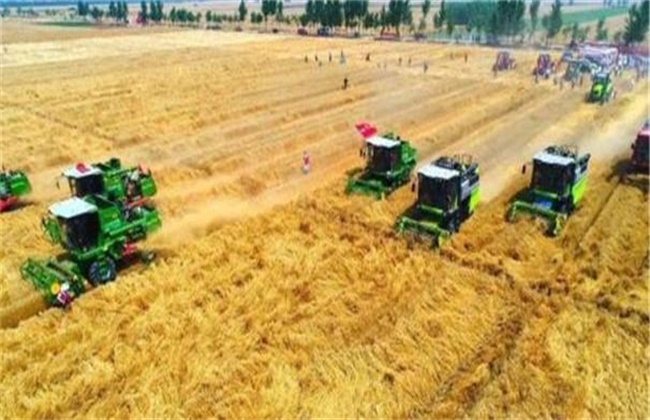
If wheat harvest encounters continuous rainy weather, you should seize the clear days and hurry with mechanical harvesting, so as to avoid sprouting of the ears in the field, which would not only cause huge losses to yield, but also make the sprouted wheat basically unsellable, resulting in greater losses. Wheat that has shed after harvest should be dried in time; if not dried promptly, it is very prone to sprouting and mildew.
2. Remedial measures
Without drying equipment, the following three emergency methods can be used: 1) The natural oxygen deprivation method: this method increases sealing to create temporary oxygen deprivation in the wheat pile, thereby inhibiting the life activities of the wheat and achieving the goal of preventing the wheat from heating up, sprouting and mildewing. 2) The chemical grain preservation method: this method uses chemicals to stir the wet wheat, keeping the wheat's enzymes in an inactive state so that it does not sprout. 3) The poplar branch storage method: it consumes the moisture, temperature and oxygen needed for seed germination, so that the seeds do not sprout; leafy branches transported while respiration is vigorous are placed into the wheat pile, and can consume the oxygen in the pile within a short time, keeping the wheat in a dormant state so that it will not heat up or sprout.
3. Points to note
Harvest should be timely. If harvested too early, the grains are not plump, yield and quality are lower, and it is also unsuitable for storage. If harvested too late, the grains are very prone to shedding and the stalks may lodge, increasing the difficulty of harvest and causing relatively large losses. Harvesting is best done on sunny days, which is good for drying, and attention should also be paid to severe weather such as thunderstorms and strong winds, so as to avoid wheat lodging and large-scale yield reduction. Do a good job of grain storage. Newly harvested wheat should be placed in a warehouse with good ventilation, and regular ventilation and drying should be carried out to avoid mildew and affect wheat quality.
The above is an introduction to what to do when wheat harvest encounters rainy weather. We hope it can help you. To learn more related knowledge, please stay tuned to us.