Detailed Explanation of Key Points for Wheat Midge Control Techniques
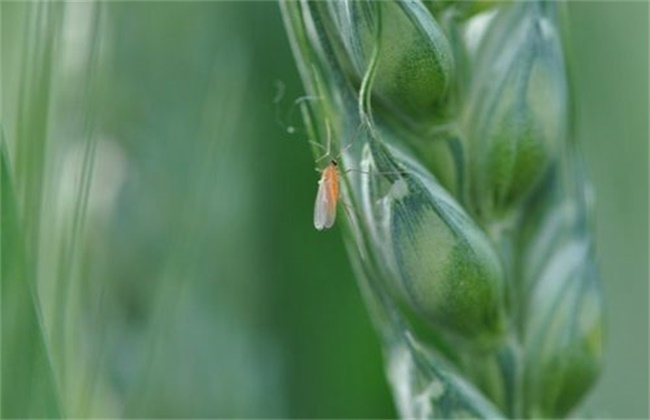
Wheat suffers from many pest problems during its growth, and the wheat midge is one of them. Its larvae damage wheat during the grain-filling stage. As long as there is one wheat midge in a grain, the yield will be reduced by one quarter; with two, the yield is halved; with four, there is total crop failure. This shows how devastating it can be, so control must be taken seriously. Now let's learn about wheat midge control techniques together.
1. Difficulty of control
Adult wheat midges generally appear from late April to early June. They lay eggs on wheat ears, and the egg stage lasts only about five days. After hatching, the larvae can enter the wheat grains and cause damage. Therefore, the optimal control window is only about one week, making it very easy to miss the opportunity for control. Once the larvae enter the wheat grains, spraying chemicals again makes control difficult, bringing great difficulties to prevention and control.
2. Control during the pupal stage
Broadcasting poisoned soil to kill the pupae should be carried out 3-5 days before wheat heading. It is better to do it earlier than later, so as not to miss the opportunity. The available pesticides include 40% chlorpyrifos emulsifiable concentrate and 3% isofenphos-methyl granules. Take 500 ml of each and 2 kg of the latter, mix them evenly with 20 kg of fine sandy soil to prepare poisoned soil, and broadcast it evenly along the rows on the soil surface in the afternoon. Be careful not to scatter it on the leaves during broadcasting, so as to avoid phytotoxicity. Spraying water after broadcasting can increase the efficacy.
3. Control during the adult stage
This should be carried out after wheat heading and before flowering, while also controlling aphids. The available pesticides include beta-cyfluthrin emulsifiable concentrate and imidacloprid wettable powder. After preparing the pesticide solution according to the regulations, spray it at 7 a.m. on a sunny day or at 5 p.m. in the evening. Be careful to carry out the treatment in windless weather, as strong wind will affect the spraying effect. When spraying, spray evenly, and do not miss the wheat ears or leaves. This can control the number of adult populations and the number of eggs laid.
4. Precautions
Wheat midge control must be strict. If the key period is missed, the control effect cannot be achieved, so wheat farmers should seize the opportunity, make decisions promptly, apply pesticides in time, control wheat midges well, and ensure a bumper harvest that year. When using pesticides, be careful and cautious, and take corresponding protective measures to avoid pesticide poisoning.
The above is an introduction to wheat midge control techniques. We hope it can help you. If you want to learn more related knowledge, please stay tuned to us.