A Detailed Guide to the Cultivation Management Methods and Technical Points of Schizonepeta
Schizonepeta, also called xianji, is a commonly used Chinese herbal medicine with the effect of dispelling wind and cooling blood, mainly treating colds, fever, headaches, and vomiting. The stems, leaves, and flower spikes are generally used as medicine. It is a perennial herbaceous plant. At present, artificial cultivation is mainly carried out in Jiangsu, Jiangxi, Hubei, Hebei, Anhui and other regions. Some management experience in artificial cultivation, once understood, is exactly what we will introduce to you here.
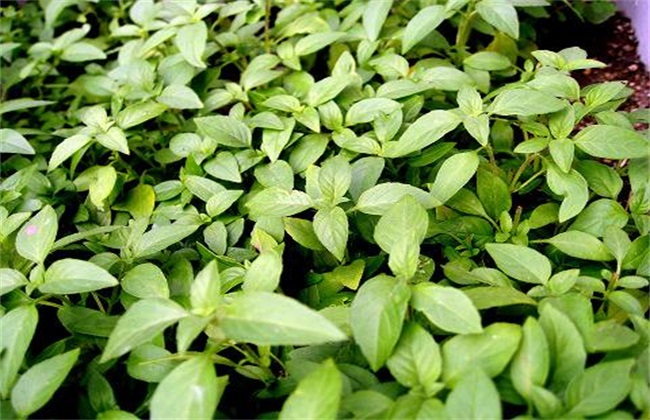
1. Seedling stage
After sowing for seedling raising, once the seedlings have grown to about 5 cm they can be thinned. At this time, the seedlings have emerged almost uniformly. Thinning too early makes it impossible to tell the strong from the weak, while thinning too late easily consumes soil nutrients. After thinning, apply a light fertilizer solution once, then continue cultivating. When they grow to 10 cm, they can be transplanted. Transplanting too late damages the root system more. Transplanting should be carried out on cloudy days or drizzly days, which benefits root recovery and reduces transpiration. When transplanting, some soil should be kept around the roots to protect them.
2. Loosening the soil and weeding
Throughout the entire cultivation period, rain or watering and natural settling will cause the soil to become compacted and tight, which is not conducive to root respiration, so the soil must be loosened. Do not loosen the soil too deeply; shallow loosening, about 4 cm deep, is best so as not to damage the root system. During seedling raising and thinning, the soil can be loosened once at the same time, to a depth of about 3 cm. After transplanting, the soil can be loosened once before normal flowering, and later it can be loosened again as the situation requires. Each time the soil is loosened, any weeds seen should be dug out at the same time, and the dug-out weeds can be piled up and composted into fertilizer for use.
3. Fertilizer and water
Young seedlings need more fertilizer, so during the seedling raising period more fertilizer and water are needed, but since the main growth is the plant body, mainly nitrogen fertilizer is applied. During the transplant recovery period, only light fertilizer solution can be used to avoid damaging the roots. One month after the recovery period ends, a somewhat higher-concentration fertilizer can be used, generally with more potassium fertilizer applied. At this time the drought resistance is relatively strong, and watering frequency can be reduced to once every 2 months. In summer, if there is drought, more watering can be done, and farmyard manure can be applied, with about 150 jin applied per mu. After summer, it can grow naturally.
4. Harvesting and processing
After harvesting, schizonepeta needs to be air-dried or oven-dried, and should not be piled up. For planting the following year, seed must be retained. After the seeds mature, they are processed and the seeds collected before harvesting. When harvesting, the whole plant should be pulled up, the soil removed, then it should be dried in the sun, and then the seeds taken. For other harvesting, the flower spikes can be taken directly, or the whole plant can be taken down; alternatively, the flower spikes are taken first and then the whole plant is taken down.
The cultivation of schizonepeta mainly involves management from the seedling raising period through the entire growth period. Seedlings must be protected and strong seedlings cultivated. After transplanting, the soil should be loosened and weeds removed frequently to help root growth, and fertilization should be combined with this to ensure vegetative growth. Finally, harvesting should be carried out according to certain requirements.