What are the technical key points of foliar fertilization on wheat?
Wheat is widely grown around the world and is one of the three major cereal crops; almost all of it is used as food, with a small portion used as feed. Applying foliar fertilizer at the booting to full-heading stage of wheat can noticeably extend leaf function and increase yield significantly. Now let's take a look at the key points of wheat foliar fertilizer with the editor.
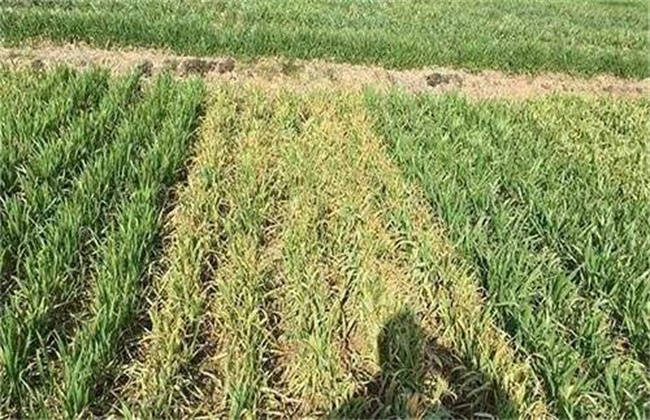
1. Master the spraying time
Tests have shown that applying fertilizer from the booting stage to the full-heading stage of wheat is the period with the best effect and can noticeably increase yield. In addition, at noon on sunny days, because the temperature is relatively high and evaporation is relatively large, the fertilizer utilization rate is relatively low, so it is best to choose a partly cloudy day, or before 10 a.m. or at 4 p.m. on a sunny day, for foliar spraying. If rain occurs within 24 hours after spraying, try to spray once again after the rain. Try to avoid the flowering stage when spraying fertilizer, so as not to affect the normal pollination and fertilization of wheat and thereby reduce the seed-setting rate.
2. Determine the type of fertilizer to spray
The type and amount of fertilizer should be determined according to the seedling stage. Phosphorus and potassium can promote the synthesis and transport of nutrients in wheat and speed up grain filling, while also enhancing the plant's lodging resistance; nitrogen fertilizer can improve grain quality and prevent premature senescence, but applying too much will cause excessive vegetative growth, which is not good for yield, so attention should be paid to this. For plants that are growing excessively or are on the vigorous side, it is recommended to spray a 0.3% potassium dihydrogen phosphate solution; for thin and weak plants, an additional spray of 1%-2% urea solution can be applied; for plants with dark leaves and vigorous growth, wood ash extract can be sprayed, and foliar fertilizers such as Meizhouxing or fulvic acid can also be sprayed.
3. Spray evenly
The spraying method must also be appropriate. The fertilizer solution must be completely sprayed on the leaves, green stems and wheat heads, and both the front and back sides of the wheat leaves must be covered with the fertilizer solution. When spraying, it should be applied evenly, and the finer the droplets, the better. For wheat fields with severe fertilizer deficiency and poor soil moisture, or when dry hot winds occur during the fertilization period, the number of sprayings should be increased as appropriate.
4. Precautions
First, the number of fertilizer varieties mixed together should not be too many. Do not put several foliar fertilizers together for application, and do not spray one kind today and another kind tomorrow. Foliar fertilizers do not have an additive effect, and too many types will also affect the expression of the effect. Generally speaking, choosing 1-2 types according to local conditions is enough. Second, the timing of spraying must be well controlled, and this has already been introduced above; third, when spraying fertilizer, it must be fully dissolved and used as soon as it is mixed, avoiding strong light exposure or being washed away by rain. Fourth, potassium dihydrogen phosphate should not be mixed with alkaline pesticides such as lime sulfur mixture and Bordeaux mixture, so as to avoid reactions that reduce fertilizer efficacy and pesticide efficacy.
The above is an introduction to the key points of foliar fertilization on wheat. I hope it can help you. To learn more related knowledge, please follow us.