Detailed Guide to Common Pests and Diseases of Sichuan Pepper and Their Control Methods
Speaking of Sichuan pepper diseases, they occur frequently during the growing process. When diseases occur, they affect the quality and yield of Sichuan pepper, and some also affect tree vigor, leading to poor growth. So what diseases commonly occur and cause damage on Sichuan pepper trees, and what small insects harm Sichuan pepper? This article will list and introduce them to help everyone understand these pests and diseases and know how to prevent and control them.
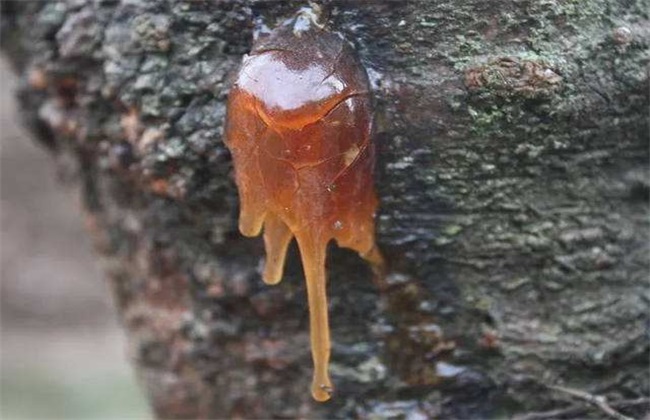
1. Gummosis
Sichuan pepper gummosis, generally also called dry rot, is most commonly caused by improper management leading to weakened tree vigor, which results in gummosis and can lead to death in severe cases. Secondly, fungal infection causes the disease; after infection, the bark cracks and bacterial pus flows out. Or it may be mechanical damage, with insects biting wounds, causing nutrients to flow out, resembling gummosis. Careful management, fertilization and water supply are essential, and the soil should be loose and breathable; using biological bacterial fertilizer can maintain good growth vigor and resist pathogen damage. Using fungicides combined with insecticides gives better results.
2. Root Rot
Root rot is a major disease of Sichuan pepper. When it occurs, the root system rots, smells foul, the phloem separates, and the xylem turns black. Generally, pruning should be done to improve ventilation and reduce humidity, or planting should be sparser; when raising seedlings, the soil should be disinfected with a 15% triadimefon 800-fold solution; when transplanting, the roots should be soaked in a 50% thiophanate-methyl 500-fold solution, generally soaking the roots for one day; when the disease occurs, first clean up the rotten roots, dig out dead roots and burn them, then use a 15% triadimefon 300-fold solution for root irrigation treatment, and spread lime on the nearby soil for disinfection;
3. Scale Insects
Mainly a group of larvae cluster and attach to branches and trunks, sucking tree sap and transmitting viral diseases, which can cause the tree to dry up. You can first use a brush to brush off and kill the insects; if there are too many, you can use a 40% omethoate 1000-fold solution to spray and eliminate the larvae with good results. Use lime sulfur mixture to eliminate adults.
4. Flea Beetles
Flea beetles are good at jumping and can cause damage everywhere, mainly feeding on leaves and tender shoots, causing fruit drop and reduced yield. It is best to use a fenitrothion 2000-fold solution to poison and kill emerging adults before new shoots sprout, controlling at the source; during the summer when larvae are abundant, use an 800-fold phosphamidon emulsifiable concentrate to spray the egg-laying canopy, reducing the insect population.
5. Longhorn Beetles
Longhorn beetles are good at boring into tree trunks and causing damage. They have strong gnawing ability and will bore holes in the trunk, boring tunnels and feeding between the phloem and xylem. Common holes have large amounts of wood shavings and excrement. They are highly destructive, so drugs should be injected directly to poison and kill them. Adults should be killed by spraying 1000-fold dimethoate. Killing adults should be done before egg-laying.
Sichuan pepper can suffer from many diseases. Today we have selected a few common pests and diseases that cause serious damage to give a brief introduction, helping everyone understand them and effectively prevent the occurrence of these pests and diseases.