Cabbage Planting Techniques and Key Cultivation Management Points
Cabbage, also called cabbage in some places, is a cruciferous vegetable and a 1-2 year herbaceous plant, with several thousand years of cultivation history in our country. Cabbage contains very rich nutrients and is welcomed by many people, so the planting area is also growing larger and larger. So how exactly should cabbage seeds be handled? Below, the editor brings you the planting techniques for cabbage, let's take a look!
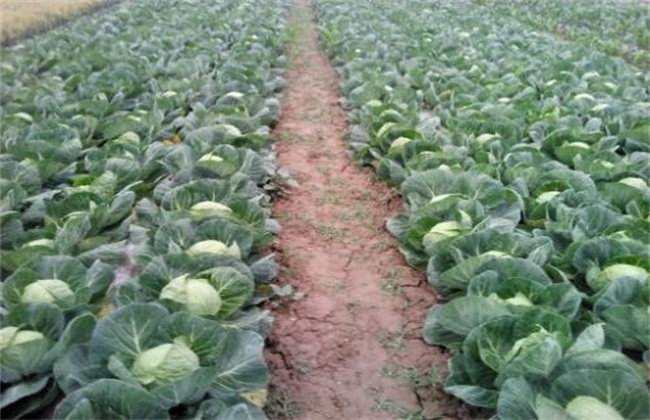
1. Seed Selection and Sowing
First, we must make a good choice of cabbage varieties according to the planting season, and can select according to shape, maturity and various other aspects. If it is delayed autumn cultivation, then mainly use mid-to-late maturing varieties; if it is early spring crop cultivation, then also mainly use early maturing varieties. The sowing method for cabbage is mainly broadcast sowing; after preparing the seedbed, evenly scatter the seeds mixed with soil onto the soil. Then cover with soil, control the sowing rate well, generally about 50g per mu. The sowing rate should not be too much, otherwise it easily causes cabbage seedlings to affect each other's growth.
2. Seedbed Management
If cabbage is raised as seedlings in winter, then we must pay attention to doing good insulation work. One week before sowing, properly cover the shed to increase the temperature inside. After cabbage seeds are sown and before they emerge, control the temperature of the small arched shed at about 22°C, and the nighttime temperature at 15°C. With a suitable environment, the seedlings can be complete in about 4 days. After the seedlings are complete, pay attention to properly lowering the temperature and hardening the seedlings, to avoid the phenomenon of leggy seedlings. Then do good thinning work, controlling the spacing at about 3cm, to provide sufficient growing space for the seedlings.
3. Seedling Separation and Transplanting
Carry out seedling separation when the seedlings grow two true leaves. First prepare nutrient soil well, then prepare nutrient pots. Control the planting density for temporary planting; after seedling separation, water properly and raise the temperature, with daytime temperature at 18°C and nighttime temperature at 10°C, maintaining this for about 5 days. When the seedlings grow 7 true leaves, they can be transplanted. Before transplanting, do good land preparation and fertilization work for the transplanting field. Mainly use flat-bed planting, control the transplanting density well, and keep the transplanting spacing at about 30*40cm. Finally dig the transplanting holes and begin transplanting; the depth should be such that the seedling soil ball is level with the bed surface.
4. Field Management
After transplanting, water once to promote stable seedlings, then water once about 5 days later to help the seedlings recover. Do good intertillage work to increase soil temperature and enhance the seedlings' growth ability. After rosette leaves grow, reduce the amount of watering to avoid excessive growth, and promote root establishment; control the root establishment time according to the variety, for example, early maturing varieties take about one week, otherwise about half a month. After entering the rosette stage, water reasonably, and during the heading stage increase the amount of water and fertilizer. Topdressing fertilizers are mainly urea and farmyard manure.
The above is a brief introduction to cabbage planting techniques. The planting method for cabbage is actually relatively simple, but you still cannot be careless and must do good management work. That is all for today's introduction. This article is for reference only, and I hope it can be helpful to everyone!