Detailed Explanation of Key Technical Points for Summer Cabbage Planting
Cabbage is a relatively common vegetable with strong cold resistance, disease resistance, and transport and storage capacity. Therefore, it is grown all over our country and is a major vegetable in all regions except winter. However, because the climate and weather differ from season to season, the cultivation methods also vary. So today, I bring you the summer cabbage planting techniques. Let's take a look!
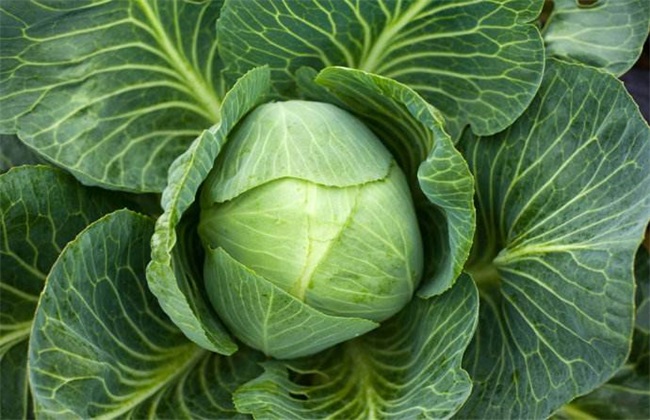
1. Site and Soil Selection
First, we need to choose a suitable site for summer cabbage planting. The cabbage seedbed must be on high, dry ground with plenty of water. Then dig beds in the seedbed to prepare for planting, remove the soil from the beds, and prepare to fill them with nutrient soil. The nutrient soil should be prepared using soil that has not grown Chinese cabbage for at least two years. Mix the soil with plenty of farmyard manure and add an appropriate amount of diammonium phosphate, potassium sulfate, etc. Then mix and stir it thoroughly and fill it into the bed pits, keeping the soil thickness at about 10 cm. Then water it thoroughly. Once the water has soaked into the soil, you can begin sowing.
2. Seedling Management
When planting cabbage in summer, sowing should be done after Qingming Festival each year. Control the sowing rate well. After sowing, cover with soil, then cover with a layer of plastic film. This improves the soil's moisture retention capacity and prevents the soil from becoming compacted. When about 18% of the seedlings have emerged, remove the plastic film promptly. After emergence, we need to do a good job of thinning and final thinning of seedlings. Begin thinning about half a month after emergence, keeping the spacing at about 11 cm. Keep the soil in a state of alternating dry and wet. Avoid heavy watering to prevent the seedlings from drowning. Watering should be done in the afternoon.
3. Transplanting Preparation
The transplanting time for summer cabbage planting generally coincides with the rainy season, so when choosing the field for transplanting, make sure it is the same as the seedling bed. Also, the previous crop must not be a cruciferous vegetable, and the soil should be fertile. Then apply plenty of fertilizer, about 5,000 kg of decomposed farmyard manure per mu. After fertilizing, do a good job of land preparation, working the soil finely and making beds. Cabbage is generally planted on raised beds, with a bed height of about 18 cm and a row spacing of 50 cm, planting about 3,600 plants per mu.
4. Transplanting Management
When the cabbage seedlings have grown 5 true leaves and the leaves are dark green, transplanting can begin. Use mainly strong seedlings for transplanting, with a plant spacing of about 40 cm. Dig the transplanting holes, then water and prepare to transplant. After the seedlings are transplanted and have recovered, do a good job of fertilizer and water management, dissolving the fertilizer and watering it into the soil together with water. Then apply a topdressing about 3 days after transplanting, mainly nitrogen fertilizer. Apply a second topdressing after 3 weeks, and then apply another topdressing during the cabbage heading stage. Do a good job of watering according to soil moisture content and weather, etc. Do not use too much water, to avoid water accumulation that causes rot, with the goal of promoting root growth.
The above is a brief introduction to summer cabbage planting techniques. Of course, summer also requires pest and disease control work, focusing on prevention to enhance cabbage disease resistance and ensure cultivation benefits. That's all for today's introduction. This article is for reference only, and I hope it can help everyone!