July Planting Methods and Technical Points for Open-Field Eggplant in Summer
Eggplant is distributed throughout China, has very large market demand, and its planting area in China is also very large. The time for planting eggplant in summer is generally around June to July, which is also a key period for eggplant cultivation. Summer eggplant planting is generally around July, so how should we plant eggplant in open fields in July in summer? Below, the editor will give you a brief introduction. Let's take a look together!
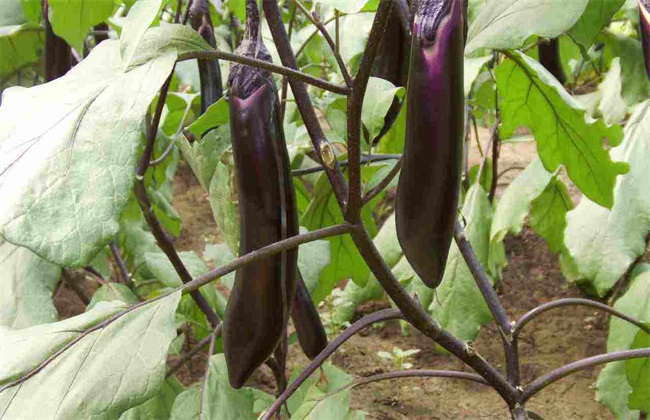
1. Land preparation
Eggplant has relatively poor tolerance to waterlogging, and generally encounters the rainy season after transplanting. Therefore, we must first choose sandy soil on high terrain to ensure strong soil permeability and good drainage and irrigation. Then dig drainage ditches well to facilitate timely drainage and avoid water accumulation. Eggplant cultivation should mainly use small raised beds. The height should be controlled at 25-40 cm, the bed surface width at 110 cm, and the ditch width at about 25 cm. Then we apply sufficient base fertilizer, mainly farmyard manure, spread it evenly on the soil, and carry out land preparation so that the soil and fertilizer are fully mixed to improve soil fertility.
2. Transplanting management
After eggplant is transplanted, attention should be paid to shading. After entering the seedling recovery stage, the temperature should be controlled at around 30 degrees. After seedling recovery, lower the temperature by 1-2 degrees, and keep the nighttime temperature at around 16-17 degrees. The growth cycle of summer eggplant is relatively long, so in the early stage, attention should be paid not to prune branches, so as to promote flowering and fruiting. After harvesting the first batch of first fruit eggplant, remove the old leaves at the lower part of the plant. After the paired eggplant fruit forms, then cut off the side branches growing outward. Keep the number of eggplants retained per plant at about 6, and pay attention to controlling the transplanting density.
3. Water and fertilizer management
Eggplant has a relatively large demand for water, so when planting, be sure to keep the soil sufficiently moist. If there is a lack of water and drought occurs, then water promptly. When watering, it can be done together with topdressing. If flood irrigation is used, then use fertilizers such as ammonium bicarbonate and potassium sulfate and spread them evenly in the ditch, controlling the amount used. If there is sufficient water, then dig holes around the eggplant plants and apply farmyard manure. After topdressing, pay attention to ventilation to avoid fertilizer damage and prevent diseases.
4. Trellising and pruning
Open-field eggplant cultivation also requires good trellising work, mainly using A-shaped trellises, with spacing kept at about 1.2 m. Then insert upright posts at the sides of the bed to form a frame. Then, at a place about 40 cm above the ground, tie a main horizontal support and fix the eggplant to the bamboo poles. Then, as the eggplant grows, appropriately add crossbars to the trellis. Then do a good job of leaf removal and pruning to avoid consuming too many nutrients, which can significantly increase eggplant yield. It also helps improve field ventilation and promote eggplant fruit coloring.
The above is a brief introduction to the July planting method for open-field eggplant in summer. Open-field eggplant cultivation is very common, but if planting in summer, be sure to do a good job in all management tasks to ensure normal growth of eggplant. That is all for today's introduction. This article is for reference only, and I hope it can be helpful to everyone!