What are the reasons lotus root does not grow vigorously after planting
Lotus root growing vigorously refers to the sprouting of the lotus root, the elongation of the lotus root and the extension of the lotus leaves. During the same period, after planting lotus root there will be differences in how fast it grows vigorously, and some varieties grow vigorously half a month or even longer after planting. So what causes this phenomenon? Let us find out together.
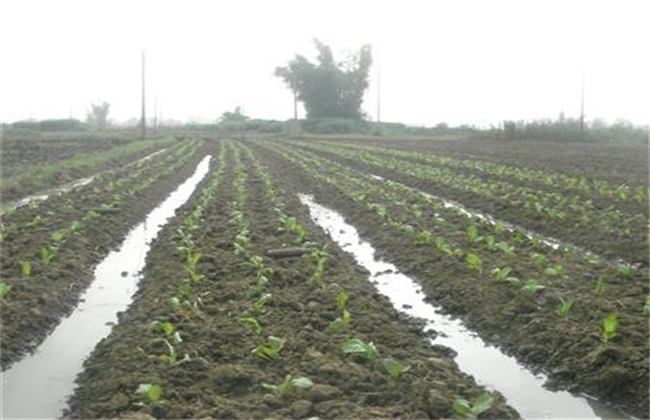
1. Quality of seed lotus root
The quality of the seed lotus root is the fundamental factor affecting the sprouting of the seed lotus root, the elongation of the runners and the growth of the lotus leaves. Lotus root is a crop propagated asexually, so the seed lotus root is in effect the stem in that sense, and planting the seed lotus root is actually using it as a cutting for propagation. The quality standards for seed lotus root are: varietal purity of not less than 97% for foundation seed and not less than 93% for field production, and a germination rate of not less than 90%; each individual seed lotus root segment is required to have more than 1 terminal bud and more than 2-3 internodes. In order to increase the germination rate of lotus root and promote its early vigorous growth, the basic requirements for seed lotus root quality are complete and intact structure, no wounds and no disease, freshness, and carrying a suitable amount of mud.
2. Cold damage
Cold damage mainly harms lotus root during the period from harvesting to planting, as well as for a period in the early stage after planting. Lotus root harvesting and the first half of the pre-planting period generally fall in March-April, when the seed lotus root is already in a sprouting state and sprouts relatively quickly, so it is quite sensitive to the environment. March-April is also a period when temperatures fluctuate greatly, and during this time, once factors such as low temperature and rainfall occur, cold damage is very likely. When low temperature is encountered during harvesting, plastic film and straw curtains or rice straw should be used for covering in time, or the seed lotus root should temporarily be stored indoors where it can be sheltered from wind and rain and covered with straw curtains or rice straw. During storage it should not be watered, and good work should be done to prevent low temperatures at night; after the temperature rises, plant it, which can reduce or prevent the occurrence of cold damage.
3. Planting period
Different regions all have a suitable time for planting lotus root, and local growers all have experience with this, but for novice growers, because of lack of experience, it is easy for them to be overly eager for early planting and to plant improperly early, resulting in poor sprouting of the seed lotus root due to low temperature and poor early-stage plant growth. Therefore, choosing a suitable planting period is very important. It is recommended to use an average daily maximum temperature above 15 degrees and a minimum temperature above 5 degrees as the reference standard for determining the starting date of field planting of lotus root.
The above is an introduction to the reasons lotus root does not grow vigorously after planting. We hope it can help you. To learn more related knowledge, please stay tuned to us.