How to Manage Vegetables After Heavy Rain? Detailed Practical Technical Points
Vegetables are an indispensable type of crop every day in our country, and there are a great many vegetable varieties in our country, such as gourd vegetables, leafy vegetables, and so on, with different vegetables distributed throughout the regions of our country. When growing vegetables, we need to do a good job of management, but it is inevitable that we will encounter some natural disasters that affect the growth of vegetables. The most common of these is heavy rain, so how should vegetables be managed after heavy rain? Let's take a look below!
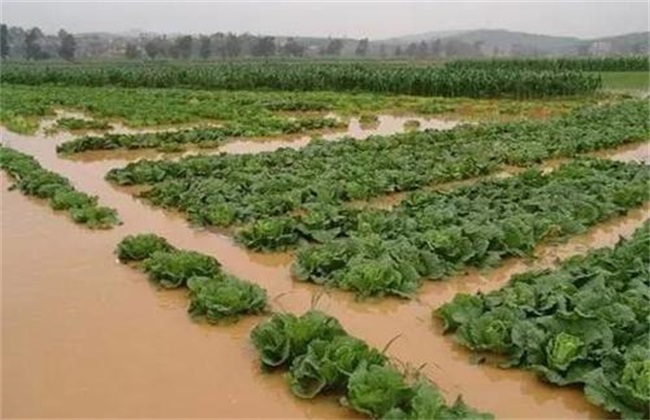
1. Clearing ditches and draining water
After heavy rain, clear the ditches in time, remove the water in the ditches completely, and ensure that water drains quickly during rain and ditches are dry when rain stops; the ditch water on both the furrow surface and the bed surface must be drained in time. If the terrain is low-lying, a water pump can be used for drainage where conditions permit. Speed up the process and lower the water level in time. For flooded vegetable plots, the ground should be cleared to prevent vegetables from being submerged for too long and reduce losses. Timely drainage can restore the root capacity of vegetables as quickly as possible, avoid waterlogging damage, and reduce vegetable death caused by standing water.
2. Vegetable management
Promptly straighten vegetables that have fallen over due to standing water to prevent them from pressing against each other, then carry out appropriate intertillage and earthing up, and spray an appropriate amount of foliar fertilizer. If the soil becomes compacted, loosen the soil in time to improve the soil structure and restore root growth. Also carry out artificial watering in time to wash the mud off the leaves, and be careful to ensure the water quality is clean. To avoid damage again, cover with film in time and set up rain-shelter facilities. Finally, avoid sudden clearing after rain, and do a good job of shading.
3. Replanting and changing crops
After heavy rain, dead seedlings and missing seedlings inevitably appear in the field. To ensure full and complete seedlings, we must do a good job of replanting and changing crops. At the gaps where seedlings are missing, replant with seedlings of the same growth stage in time. For vegetables such as peppers, eggplants, and cucumbers, autumn sowing and seedling raising should be carried out immediately to avoid expanding the damaged area. Then be careful to avoid secondary disasters brought by heavy rain, such as mudslides and landslides. Check the state of greenhouses, reinforce the greenhouse feet, and prevent secondary disasters from causing further damage to vegetables.
4. Pest and disease control
If heavy rain occurs in summer, then after the heavy rain we must also pay attention to doing a good job of pest and disease control. Because the high-temperature and high-humidity environment can easily trigger various pests and diseases. Moreover, after experiencing heavy rain, the resistance of vegetables is also very poor, so pesticides should be sprayed in time to prevent the occurrence of pests and diseases. In addition to doing a good job of drainage and cooling, we should also appropriately spray agents such as carbendazim and decamethrin to inhibit the development of pathogens and reduce the incidence of vegetable pests and diseases.
The above is a brief introduction to how to manage vegetables after heavy rain. Management of vegetables after heavy rain is very important, because some losses have already been suffered. What we need to do at this time is reduce losses as much as possible and protect planting returns. That is all for today's introduction. This article is for reference only. If you want to learn more related information, please continue to follow us!