Detailed Explanation of Management Techniques for Open-Field Summer Eggplant
Eggplant is a vegetable that many people enjoy eating very much. Eggplant is rich in nutrients and has a large market demand in our country. After entering summer, it is almost the peak season for eggplant. When growing eggplant in summer, management work must be done well to ensure the normal growth of eggplant and expand planting benefits. So today, the editor has brought you the management techniques for open-field summer eggplant. Let's take a look below!
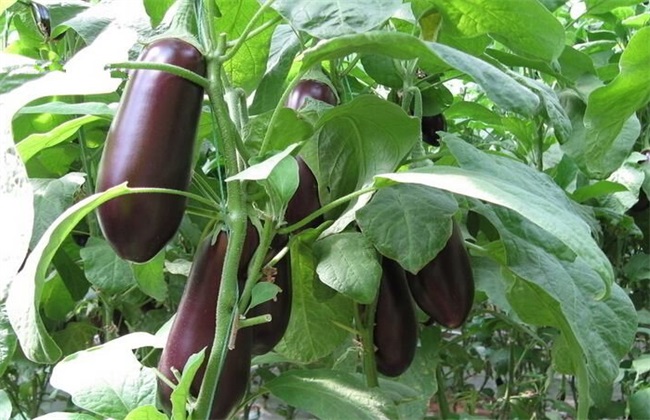
1. Proper watering
In the high-temperature environment of summer, watering work must be done well. First, we should plant summer eggplant on sandy soil in high terrain, and the soil should remain moist to promote the normal growth of eggplant. If the soil moisture content is insufficient, it will reduce the growth rate of eggplant, not only lowering the fruit-setting rate of eggplant, but also causing relatively serious flower and fruit drop. Therefore, after transplanting eggplant, we must water thoroughly once with rooting water to promote the growth of eggplant roots. Then before harvesting, we should also water heavily once to promote the expansion of eggplant fruits, and during the growth period, keep the soil moist.
2. Scientific fertilization
The growth cycle and harvest period of eggplant are both relatively long, so a relatively large amount of nutrients is consumed throughout the entire growth period. Therefore, we must pay attention to doing a good job in fertilization. In addition to applying sufficient base fertilizer, we must also do a good job in topdressing. Eggplant has a relatively large demand for nitrogen fertilizer during growth, but in summer the application amount should be controlled well. Then we should pay attention to controlling the application of ammonia elements, which should also not be excessive. Because excessively high summer temperatures will accelerate the volatilization of ammonia elements, making eggplant prone to ammonia toxicity. Finally, foliar topdressing should be done well, but the concentration should be controlled well to avoid achieving the opposite effect.
3. Pest and disease control
The high-temperature and high-humidity environment in summer can also easily cause the occurrence of many pests and diseases, such as Verticillium wilt, cotton blight, and so on. These diseases will cause serious effects on the growth of eggplant, ranging from reduced yield in mild cases to total crop failure in severe cases. Therefore, we must do a good job in preventing pests and diseases, strengthen management, control the amount of watering and fertilization, and ensure that eggplant can grow healthily. After discovering abnormal conditions in eggplant, we should promptly check the specific cause, and then take corresponding measures according to the actual situation.
4. Other management
When growing eggplant in summer, we should also pay attention to doing basic work such as intertillage weeding and pruning. Proper weeding can avoid excessive weeds, which can lead to unbalanced nutrient absorption by eggplant and reduce the fruit-setting rate of eggplant. Moreover, we should also do a good job in pruning according to the eggplant plants, cutting off overly long and dense branches. This can not only reduce nutrient consumption, but also improve field ventilation and light penetration, ensuring the healthy growth of eggplant. Finally, note that field moisture should not be too much, because eggplant is not tolerant of waterlogging. After rain, drainage must be carried out promptly to avoid root rot and fruit drop.
The above is a brief introduction to the management techniques for open-field summer eggplant. Although growing eggplant in summer is relatively common, due to seasonal reasons, we must pay attention to doing a good job in management to ensure the yield of eggplant. That's all for today's introduction. This article is for reference only, and I hope it can help everyone!