Reasons Why Pumpkins Fail to Grow and Drop Off, and How to Fix It
Pumpkin is a common fruit-type vegetable with many ways to eat it. Once ripe, it can be used to make porridge, soup, and pumpkin cakes, while the immature young fruit is also a delicious dish. However, when growing pumpkins, the problem of small fruit can occur: when the pumpkin grows to about the size of a fist, it wilts, drops off, and dies on its own. What is going on here? Let's find out together.
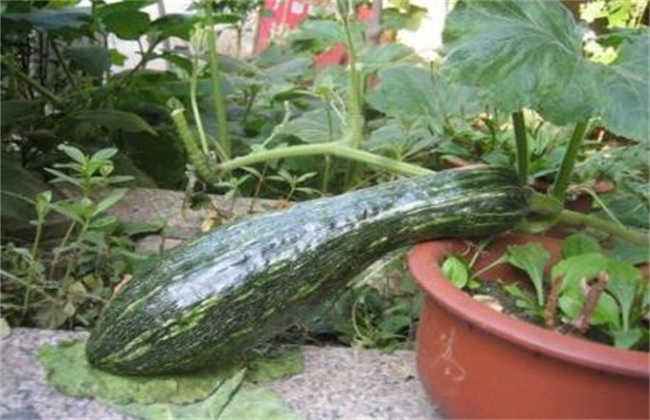
1. Poor pollination
Under high-temperature conditions, pollination of pumpkins is affected. When the temperature exceeds 32°C, as the temperature rises, the floral organs develop abnormally and pollen function declines. When the temperature reaches as high as 40°C, pollen germination and pollen tube elongation drop significantly, pollen lifespan is short, and fertilization is impaired. If the female flower is not pollinated, the pumpkin will gradually stop growing and even drop off with a bitter taste. In addition, rainy weather during flowering also affects normal pollination. The main reason is that heavy rain affects the development of the ovary and floral organs, and rainwater easily washes away the pollen on the stigma of the female flower, causing the pollen to lose its germination ability, making pollination difficult to complete and resulting in fruit drop.
Control methods: For high-temperature weather, when planting, choose varieties with strong parthenocarpic ability, high-temperature resistance, and a high fruit-setting rate. During high temperatures, set up shade nets, or spray water mist to lower the temperature.
2. Improper fertilizer and water management
Applying a large amount of nitrogen fertilizer before fruit setting, combined with heavy rain before fruit setting, can easily cause the pumpkin vines to grow excessively when fertilizer and water are sufficient. By the time the pumpkin sets fruit, the branches and leaves have consumed a large amount of nutrients, causing the young fruit to lack nutrition, fail to grow, and eventually drop off.
Control methods: Strengthen fertilizer and water management, especially before flowering and fruit setting. Apply little or no fertilizer and water, and especially control the application of nitrogen fertilizer. When the plant grows excessively, a chlormequat chloride solution can be used to drench the roots to inhibit vegetative growth. In the mid-growth stage, heavy fertilization should be applied before the rows close. The amount of fertilizer applied should be determined according to the plant's development and soil fertility. For example, if the growing point of the vine is thick and upturned and the leaf color is dark green, fertilization is not suitable; if the leaf color is light green or the leaves turn yellow, topdressing should be applied in time.
3. Pests and diseases
When pumpkins suffer from disease threats during the flowering and fruit-setting stages, it can also cause them to fail to grow and drop off. For example, gray mold can cause pumpkin flowers and fruits to drop.
Control methods: Pest and disease control must be done carefully. For plants affected by pests and diseases, apply the right treatment. Aphids can be controlled with imidacloprid; powdery mildew can be controlled with agents such as difenoconazole, tebuconazole, and pyraclostrobin; gray mold can be controlled with procymidone, pyrimethanil, iprodione, and others; plants that have wilted should be pulled out in time.
The above is an introduction to what to do when pumpkins fail to grow and drop off. We hope it helps you. For more related knowledge, please stay tuned to us.