Detailed Explanation of Schisandra Seed Treatment Techniques
Schisandra is a traditional Chinese medicinal herb with a very long history of use in China, and it has a fairly wide distribution across various regions of the country. Because the wild population has gradually decreased, the cultivation area of schisandra is now continuously expanding. When cultivating schisandra, we first need to do a good job of seed treatment to increase the seed germination rate. So today, the editor brings you schisandra seed treatment techniques. Let's take a look together!
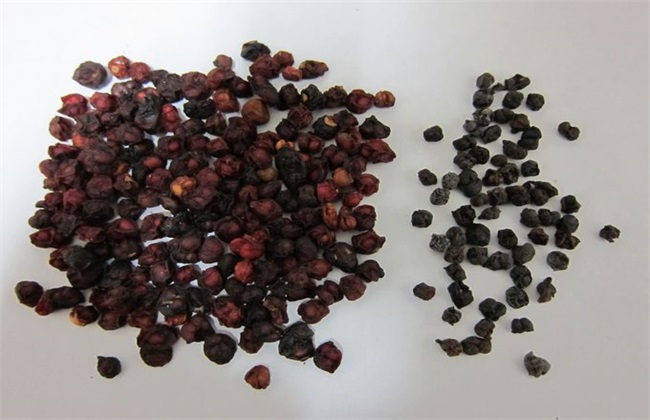
1. Seed Selection
First, what we need to do well is selecting good seeds. The quality of schisandra seeds is closely related to germination rate, yield, and so on, so everyone must pay close attention. After the schisandra fruit matures each year, we should select plump, juicy fruits from robust-growing plants with no wounds for seed extraction. Ensure that the fruit clusters are uniform in size and specification. After harvesting the fruits, be sure to store them in a dry environment. When drying, do not use methods such as roasting over fire or frying in a pan, to avoid water loss from the seeds that could cause them to lose their germination capacity.
2. Treatment Methods
Outdoor Treatment
Before the soil freezes, soak the fruits from which seeds are to be extracted in clean water so that the flesh fully absorbs water, making it easier to remove the seeds. When extracting seeds, note that schisandra seeds contain a relatively large number of empty grains, so pick out these empty grains. For normal seeds, after extraction, soak them in water for about one week to encourage water absorption; during soaking, change the water about once every two days. After soaking, remove the seeds and mix them with an appropriate amount of moist sand. Then dig a pit outdoors about 50 cm deep, put them in together, cover with about 12 cm of soil, and cover with an appropriate amount of rice straw to avoid excessively high temperatures. Generally, the seeds crack around May each year, and at this time they can be sown at the appropriate time.
Indoor Treatment
The seed selection for indoor treatment is similar to that for outdoor treatment. Be sure to ensure the seeds are plump and have strong germination capacity, then use the same method to extract the seeds, that is, soak the fruits in water and then rub out the seeds. However, the timing is generally around February each year, and the seed extraction work should be done indoors. After mixing with moist sand, do not place them in an outdoor pit; instead, use containers such as wooden boxes for sand storage treatment. When using wooden boxes for sand storage, note that the temperature should be controlled at about 10 degrees. Generally, in the spring of the following year, the seeds will crack, and then they can be sown.
The above is a brief introduction to schisandra seed treatment techniques. Seed treatment before sowing schisandra is very important. Be sure to do a good job of germination promotion and disinfection to increase the germination rate of schisandra seeds. That's all for today's introduction. This article is for reference only. Thank you for reading and supporting.