Detailed Explanation of Schisandra Seedling Cultivation Techniques: Master the Method to Grow Strong Seedlings
Schisandra is a medicinal herb of the Magnoliaceae family, with a very wide distribution range in China. The medicinal value of Schisandra is very high, with various effects such as nourishing and strengthening the body. With the increase in market demand, the wild population of Schisandra is becoming smaller and smaller, so more and more people are cultivating it. So when we grow Schisandra, how should we raise seedlings? Below, the editor will give you a brief introduction. Let's take a look!
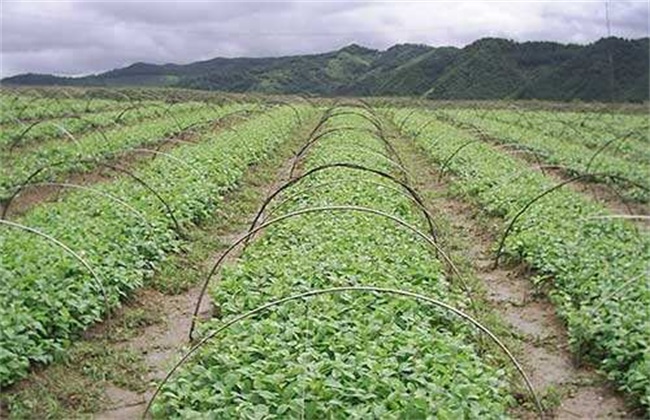
1. Selection of the Seedling Field
The quality of the seedling field is closely related to the emergence rate and yield of Schisandra, so before raising seedlings, we must first do a good job in selecting the seedling field. Soil that is fertile, loose and thick, and with normal drainage should be given priority. Then level the seedling bed into a raised bed, keeping the height at about 15cm. Avoid a low-lying seedling bed that is prone to waterlogging, and then ensure that the seedling bed has a loose soil layer of about 15cm. Control the length of the seedling bed according to the terrain, clear away impurities on the seedling bed, apply an appropriate amount of decomposed farmyard manure, and mix it thoroughly with the soil.
2. Seed Treatment
When the Schisandra fruit is ripe, select plump, healthy fruits, then soak them in warm water at about 40 degrees for about 3 days. Then take out the seeds, pick out the empty and shriveled seeds, and dry them in a suitable environment. Then fully mix the seeds with wet sand, dig a pit, bury them, and cover with soil, then cover the seeds with a layer of soil, dig water ditches to prevent rainwater from flooding the seeds. During the germination process, pay attention to regularly checking the condition of the seeds to avoid mildew and spoilage. When the radicle of the seeds is seen gradually emerging, sowing can begin.
3. Timely Sowing
We should reasonably control the planting time according to the environment and planting conditions of the growing area. Generally, in May to June each year, sow the treated seeds. The sowing method is generally mainly drilling or broadcasting. If drilling, then first control the row spacing, keeping it at about 10cm. After sowing, cover with soil about 2 cm, and control the sowing amount. For untreated seeds, after the seeds are cleaned, drain them slightly, and then sow in August to September each year.
4. Cultivation Management
Schisandra has a relatively large demand for nutrients. Throughout the entire growth period, sufficient water and nutrients are needed. After surviving, pay attention to frequent watering to keep the soil moist. Before the soil freezes, pay attention to watering once to help Schisandra overwinter. Then after entering the budding, flowering, and fruiting stages, appropriately increase the amount of fertilizer. Fertilize about twice a year, once each during the leaf expansion stage and after flowering. Apply about 8kg of decomposed farmyard manure per plant. The fertilization method is generally mainly furrow fertilization, and after fertilizing, pay attention to covering with soil.
The above is a brief introduction to Schisandra seedling cultivation techniques. Schisandra seedling work directly affects the yield and quality of Schisandra, so everyone must pay more attention when planting. That is all for today's introduction. This article is for reference only. Thank you for reading and supporting.