A Complete Guide to Scallion Preservation Techniques: Learn These Tricks to Store Them Longer
Scallions should be harvested when the above-ground leaves become thin and slightly yellowed; otherwise, once frosty weather arrives, they will freeze or rot. After harvest, they must also be stored using suitable methods, keeping them fresh without spoiling or rotting. Therefore, measures and methods for preservation must be adopted, generally creating a low-temperature, dry environment for storage. The specific methods are as follows.
1. Ground storage
In a shaded, dry, clean place that is sheltered from the wind, spread a 5 cm layer of sand on the ground, place the scallions in bundles on the sand, packed densely, then cover the roots with nearly 20 cm of sand. They can be stacked continuously, with a height of around 1 m, and finally covered with straw, stalks, plastic film or similar protection.
2. Cellar storage
First spread the harvested scallions on the ground to dry for a few days. Once the surface is dry, bundle them and stack them root-down in a sunny, well-ventilated, dry place to continue drying. When frost arrives, they can be moved into a cellar for storage. Pay attention to dampness in the cellar and check frequently; remove any that have rotted.
3. Cold storage
Cold storage is mainly for short-term storage after harvest; during storage the scallions must still be kept fresh and green, so the temperature must be kept at 0 degrees, not allowed to rise, but also not allowed to drop enough to freeze them directly. During cold storage, water can occasionally be sprayed to maintain humidity; the scallions should be placed in containers before being put in the cellar. If the oxygen level in the cellar can be reduced, the storage time can be extended.
4. Standing storage
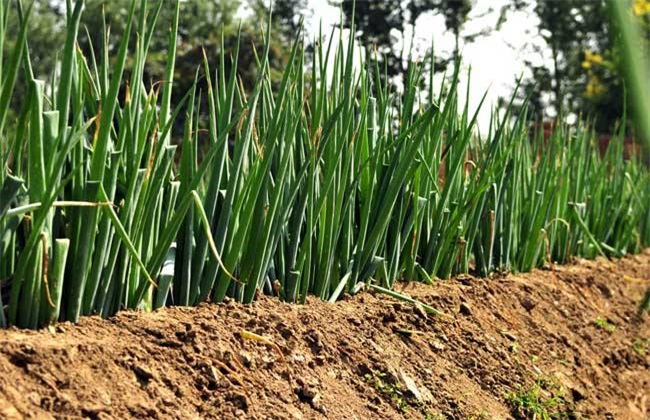
At harvest time, do not pull them out of the soil; instead, earth up around the roots directly, deep enough to bury all the white parts, leaving only the green leaves exposed. This way they can be kept until winter, and dug up whenever they need to be sold. Alternatively, after harvesting, take them home and bury them in a pit in the yard, also just covering the white parts.
5. Frozen storage
Taking advantage of natural environmental conditions, after harvest let them dry in the sun for a few days so the leaves lose some water, then bundle them and move them under the eaves in a cool place. In this way, the low winter temperatures will naturally freeze the scallions, which preserves them; after drying, they are less likely to rot when thawed. Without drying, the leaf cells contain more water and are easily ruptured by handling.
After harvesting scallions, there are many ways to preserve them, and the preservation method will be decided according to different requirements. Here only a few representative preservation methods have been selected for detailed introduction. Also, some scallions kept as seed plants cannot be stored frozen, while green plants should be stored cold.