Detailed Explanation of the Key Points of Field Management Techniques for Daylily
Daylily is a common vegetable in summer. As people's understanding of it deepens, its sales continue to rise. Daylily cultivation is relatively simple, but various problems inevitably arise during planting. Below, the editor will explain the field management techniques for daylily in detail. Let's take a look.
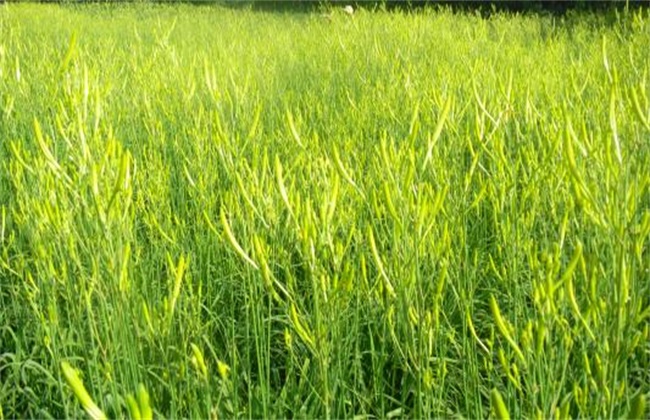
1. Seedling Stage Management
The seedling stage refers to the period from the emergence and growth of new seedlings or transplanted seedlings to just before the flower stalks begin to appear, which belongs to the vegetative growth stage of daylily. At this time, the seedling stage is in a dry season with little rain, so watering should be done promptly to ensure that the soil moisture content is between 60% and 70%. Watering should be thorough, and the second watering should be done when the soil is almost dry. The seedling stage of daylily is relatively short, about 40 days or so, so fertilization should be done as early as possible. The method of hole application or furrow application can be used, applying 25-40 kg of compound fertilizer per mu. Fertilizer and water management during the seedling stage should be combined with intertillage and weeding. The intertillage depth should be about 10 cm. When weeding, the hoe should not be too close to the seedlings to avoid injuring them. Generally, intertillage and weeding are needed 1-2 times at present.
2. Bolting Stage
The bolting stage of daylily is relatively sensitive to water. If there is a water shortage, bolting will be delayed, or even no bolting will occur, affecting the development of flower buds and their size, thereby affecting the yield of daylily. At this time, watering should be sufficient to keep the soil moist, generally once a week, and the nutrient demand of daylily during the bolting stage is also relatively high, so topdressing is needed at this time. Generally, fertilization is carried out when the flower stalks emerge and when the flower buds begin to form, mainly with quick-acting chemical fertilizers, combined with watering, to improve fertilizer use efficiency.
3. Flower Bud Stage
The flower bud stage refers to the period from when the flower stalks differentiate flower buds to before the end of harvesting, generally from June to September each year. This is the high-temperature rainy season, so irrigation should be determined according to rainfall conditions, and keeping the soil moist is best. If continuous rainy weather occurs, drainage should be carried out promptly to reduce pests, diseases, and bud drop. Fertilize once every 5-10 days during harvesting, applying about 45 kg of high-concentration compound fertilizer per mu.
4. Pest and Disease Control
The main diseases of daylily are leaf spot, leaf blight, and rust, all of which are fungal diseases, generally occurring in August and September. Leaf spot can be controlled with Bordeaux mixture and Tuzet, sprayed once every 7-8 days for 2-3 consecutive times; leaf blight can be controlled by spraying thiophanate-methyl, once every 10-15 days for 2-3 consecutive times; rust can be controlled with diniconazole emulsifiable concentrate, sprayed once about every half month for 2 to 3 consecutive times. The main pests are red spiders and aphids. Aphids can be controlled with dimethoate emulsion, once a week, stopping application half a month before harvest. Red spiders can also be controlled with dimethoate emulsion, once a week, also stopping application 10 days before harvest.
The above is an introduction to the field management techniques for daylily. We hope it can help you. To learn more related knowledge, please stay tuned to us.