What are the control methods for tomato powdery mildew?
Tomato is the tomato we often see in our daily lives. It is very popular and has a very wide planting area in our country. When growing tomatoes, many pests and diseases often harm tomato growth, and the most common among them is powdery mildew. So what are the symptoms of tomato powdery mildew? And how should it be controlled? Below, the editor will briefly introduce it to everyone. Let's take a look together!
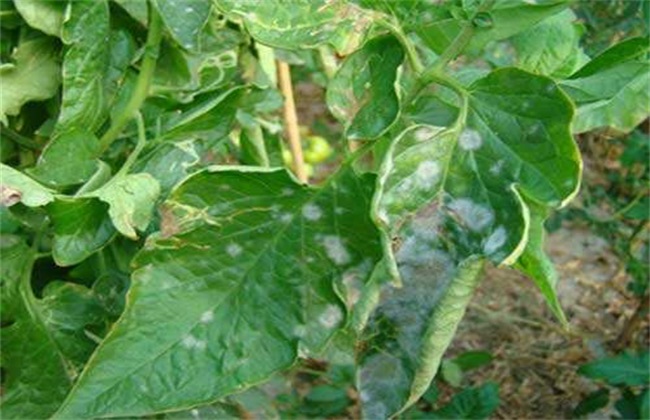
1. Disease symptoms
Tomato powdery mildew mainly harms tomato leaves. In the early stage of the disease, many small mold spots appear on tomato leaves, and the mold spots are white. They then gradually expand into white patches, and the spots merge with each other to form lesions. When the disease is severe, the entire leaf becomes powdery white, ultimately causing the leaves to wither and fall off. In addition to the leaves, tomato petioles, stems, and fruit may also be infected, likewise showing a white mold layer. The powdery substance is the conidia of powdery mildew.
2. Occurrence pattern
The occurrence pattern of powdery mildew differs depending on the growing region. For example, in the north, the powdery mildew pathogen overwinters on winter-crop tomatoes, and can also overwinter in soil, diseased residues, and other materials. It then releases ascospores, which spread and infect through air, rain, and so on, and then the diseased plants release new conidia, repeating this cycle. If grown in the south, then the conidia reproduce very quickly, spreading continuously and expanding the affected area. The optimum temperature for conidia damage is around 22 degrees. In open-field cultivation, it generally occurs from June to October, with less in August, while in greenhouse cultivation it is concentrated in April to May.
3. Control methods
First, we need to choose an excellent variety to ensure strong disease resistance, then disinfect the seeds before planting to reduce the base number of pathogens. After planting, pay attention to controlling temperature and humidity to avoid high-temperature and high-humidity environments. After harvest, promptly remove diseased residues, do a good job of clearing the garden, destroy the overwintering sites of the pathogen, and reduce the occurrence of the disease the following year. Then strengthen prevention and use agents such as triadimefon and Fuxing emulsifiable concentrate for spraying prevention.
In the early stage of powdery mildew, if it is greenhouse cultivation, use dust or smoke methods for whole-garden disinfection. Then pay attention to promptly removing diseased leaves, and use agents such as triadimefon and Wuyi mycin aqueous solution for spraying control. About once a week, spray for one month to inhibit the reproduction and spread of powdery mildew conidia and reduce the affected area.
The above is a brief introduction to the control methods for tomato powdery mildew. Tomato powdery mildew is only one of the common pests and diseases of tomatoes, and there are many pests and diseases that require our attention, so I hope everyone will pay more attention. That is all for today's introduction. This article is for reference only. Thank you for reading and supporting.