What are the methods for controlling cutworms in corn? This one article is all you need
Cutworm, also known as soil silkworm or ground silkworm, is a common underground pest and an important pest of various crops at the seedling stage in China, among which corn suffers greatly from it, and it causes enormous damage to the growth of corn. So how should cutworms in corn be controlled? Let's find out together.
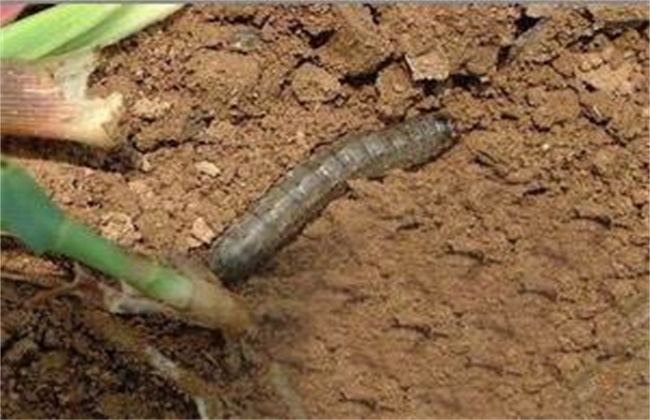
1. Symptoms of cutworm damage
After spring corn is sown, it is exactly the period when adult cutworms seek hosts to lay eggs; at this time, besides corn, they also choose other vegetables and weeds. Before corn is sown, weeds are the breeding ground for cutworms; before corn emerges, the larvae feed in the heart leaves of weeds, and after corn emerges they move to the heart leaves of corn to cause damage, at which point many semi-transparent spots also appear on the corn. When the larvae grow a little bigger, they move from above ground to below ground to cause damage, hiding by day and feeding at night, biting through the base of the stem. Cutworms also have the habit of moving between seedlings to cause damage, that is, after a damaged seedling dies, they move to other seedlings to continue causing damage.
2. Agricultural control
Before sowing, the soil should be deeply plowed to eliminate weeds, reduce the number of eggs laid by cutworms, and kill newly hatched larvae; adults can be trapped and killed using insect-killing lamps, blacklight lamps, or sugar-vinegar water. Intercropping of multiple crops is recommended to increase the variety of companion plants, maintain ecological diversity, and protect the natural enemies of cutworms; the main natural enemies of cutworms include parasitic wasps, ground beetles, and tiger beetles. When cutworms begin to bore into and feed on stems, or when the larvae hide by day, manual control works better: search the field for dead-heart seedlings and wilted seedlings, dig open the surrounding soil, and a large number of larvae can be dug out and killed.
3. Chemical control
In the early stage of cutworm damage to corn, poisonous soil, poisonous bait, and sprayed powder and liquid can be applied on the ground for control; early detection and early control is the key to controlling cutworm damage. In the early stage of cutworm damage, the individuals are not only small, but also active on the ground both day and night, which is exactly the good time to apply chemicals. When the damage rate of seedling heart leaves reaches 5%, spraying chemicals for control at this time gives the best effect; it should be sprayed not only on the corn but also on the weeds. Poisonous soil and poisonous bait can also be spread for control, applied along the rows near the seedlings in the evening to poison the larvae. Green, low-toxicity, high-efficiency chemicals are recommended, such as phorate, trichlorfon, and beta-cyhalothrin.
The above is an introduction to the methods for controlling cutworms in corn. I hope it can help you. To learn more related knowledge, please keep following us.