Field Management Methods and Technical Points for Solomon's Seal
Solomon's seal is a medicinal herb with documented use in China, and it is widely used in many places and industries. As annual sales of Solomon's seal increase, the wild population is steadily declining. Therefore, the area under artificial cultivation is gradually expanding, and when growing Solomon's seal, good management is necessary to increase yields. So today, the editor brings you the field management methods for Solomon's seal. Let's take a look below!
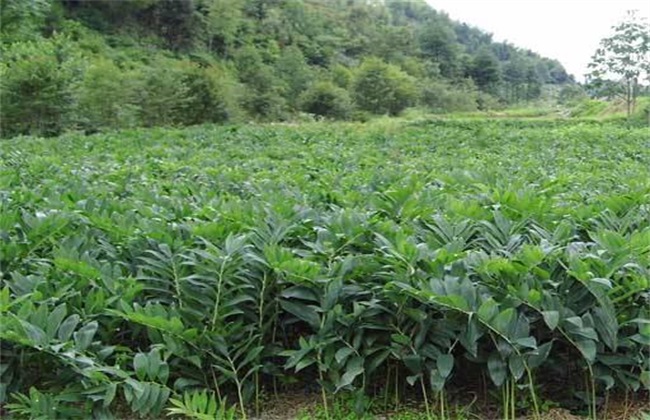
1. Emergence management
During the period from planting the seed stems to emergence, we should frequently inspect the field conditions. If there is a lack of mulch, it must be replenished promptly, and care should be taken to keep the soil moist to promote sprouting and emergence. When the seed stems emerge, the mulch on the bed surface should be removed promptly to avoid obstructing the seedlings as they push through the soil, which could affect the emergence rate and cause damage to the seedlings. If the mulch is pine needles, then a relatively thin layer can be retained. This can both improve the soil's moisture-holding capacity and suppress weed growth, reducing the cost of manual cultivation.
2. Appropriate thinning of seedlings
After the seedlings emerge, management and inspection should be strengthened. During seedling growth, we should thin the seedlings properly according to the emergence rate and the growth conditions of the seedlings. When the seedlings reach about 9 cm in height, if they are growing too densely, they should be thinned promptly. Thinning follows the principle of keeping the strong and removing the weak, providing sufficient growing space for robust seedlings. Then we should also do a good job of weeding, especially during the seedling stage. Too many weeds will cause poor nutrition for seedling growth, so weeds should be pulled as soon as they are seen. Try to avoid using a hoe, to prevent damaging the seedling roots. When the soil is dry, pull by hand; after rain or when the soil is moist, weeding should be stopped.
3. Water and fertilizer management
Topdressing Solomon's seal is very important. When planting, we should reasonably adjust the fertilization method according to the number of years of seedling cultivation. If the seedling cultivation period is one year, then on the premise of applying sufficient base fertilizer, basically no additional fertilizer is needed. If the seedling cultivation period is two years, then generally after the aboveground plants wither, apply an appropriate amount of organic fertilizer in early winter, with the amount controlled at 2000 kg/mu. During the seedling stage, attention should also be paid to watering; when the soil is dry, water promptly. However, it should not be excessive, and drainage should also be done well during the rainy season.
4. Shading and cold protection
Although Solomon's seal growth requires a certain amount of light, it is very sensitive to light intensity. Therefore, when growing Solomon's seal, we should pay attention to providing shade. We can plant some tall crops such as corn beside the beds to provide shade for Solomon's seal, or build a shade shed after the Solomon's seal seedlings emerge. Then, after the one-year-old seedlings wither and before the soil freezes, cover the soil with some leaves, rice straw, etc. This improves the soil's heat-retention capacity and helps the Solomon's seal seedlings overwinter.
The above is a brief introduction to the field management methods for Solomon's seal. The management of Solomon's seal is very important and has a direct impact on yield, so everyone should pay close attention. That's all for today's introduction. This article is for reference only, and I hope it can help everyone!