What are the field management methods for Polygala tenuifolia?
Polygala tenuifolia is a perennial herbaceous plant and is also a relatively commonly used traditional Chinese medicinal material. Polygala tenuifolia has various medicinal effects such as calming the nerves, removing phlegm, improving intelligence and reducing swelling, and its planting area in China is very large. Moreover, more and more people are now growing Polygala tenuifolia, and the most important thing in growing it is to do a good job in management. So how should Polygala tenuifolia be managed when grown? Below, the editor brings you the field management techniques for Polygala tenuifolia. Let's take a look!
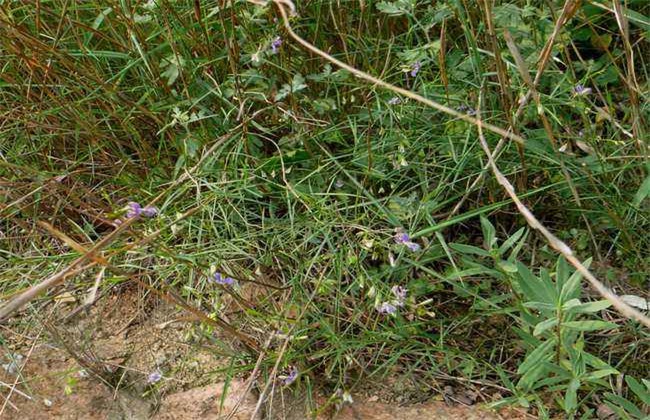
1. Thinning and replanting seedlings
The seeds of Polygala tenuifolia are relatively small, and the resistance of the seedlings that break through the soil is also very weak, so the management of the seedlings is very important. We should often check the growth of the seedlings, and when we find missing seedlings, we must promptly replant seedlings of the same growth. Then, when the seedlings grow to about 3 cm, in order to give the seedlings sufficient growing space, the thinning work should be done well, keeping strong seedlings and increasing the nutrient area. When they grow another 3 cm and reach a height of 6 cm, do the final thinning work well. Control the plant spacing according to the sowing method. For example, if it is direct sowing, keep the plant spacing at about 12 cm; for seedling transplanting, the plant spacing can be controlled at about 3 cm.
2. Intertillage and weeding
As just mentioned, the seedlings of Polygala tenuifolia have relatively weak growth ability and also grow very slowly. Therefore, during the growing period we must do a good job in intertillage. When intertilling, pay attention to the depth, mainly shallow, and do not go too deep, so as to avoid damaging the seedling roots; just remove the weeds. In the first year, the seedlings of Polygala tenuifolia have poor resistance, so we must weed more. Keep the soil surface loose and the lower layer with a certain water content to promote root growth downward. However, weeds should not all be removed. An appropriate amount of weeds can buffer the impact of heavy rain, reduce the burden on the seedlings, and improve the soil's moisture conservation capacity.
3. Water and fertilizer management
Water and fertilizer management is also an indispensable management task when growing Polygala tenuifolia. Especially at the seedling stage, be sure to water more, so that insufficient water does not cause the seedlings to wither and die from lack of water. After final thinning, control the amount of watering well and improve the plant's cold resistance, then in the rainy season pay attention to drainage to avoid waterlogging causing damage and root rot. When topdressing, the fertilizer should be mainly phosphorus and potassium fertilizer, which can enhance the plant's disease resistance, and the yield will also increase noticeably. During the flowering and fruiting period, stem and leaf growth period, and greening-up period of Polygala tenuifolia, the demand for nutrients is very large, so we must do a good job in topdressing according to the growth stages of Polygala tenuifolia.
4. Mulching with grass and removing buds
For annual seedlings of Polygala tenuifolia after weeding, or biennial seedlings after topdressing, we should appropriately cover some straw, wheat bran and other mulch materials, continuously covering for about 3 years without turning. This can effectively increase the organic matter in the soil, improve the soil, and inhibit the growth of weeds. And in order to promote the growth of the roots of Polygala tenuifolia and increase nutrient accumulation, during the initial bud formation stage of Polygala tenuifolia, we should remove the buds of those flowers not kept for seed, and the time should be chosen on sunny days, which can increase the healing speed of the wounds.
The above is a brief introduction to the field management methods for Polygala tenuifolia. The management work for Polygala tenuifolia is very important, so everyone must pay more attention!