What causes rotten heads in cucumbers? Detailed explanation of causes and control methods
Cucumber is a common vegetable with beautifying and skin-caring functions, and it is deeply loved by people. However, rotten head is a common disease during cucumber cultivation and can seriously affect cucumber yield. So what causes rotten heads in cucumbers? How should they be controlled? Let's learn about it together.
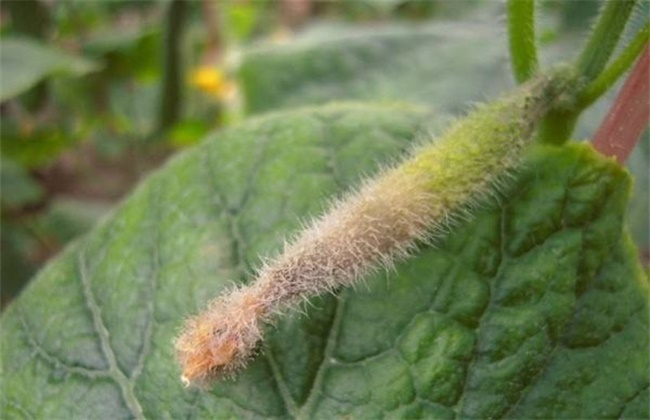
1. Gummy stem blight
Gummy stem blight mainly damages the stems and vines, and can also damage leaves and fruits. When the disease occurs, oily spots flow out from the affected part, forming oval or diamond shapes, and after drying they split lengthwise. After leaves are infected, the disease mostly starts from the leaf edges, forming yellow-brown “V”-shaped lesions densely covered with small black spots, which easily rupture after drying. If fruits are infected at the young fruit stage, the flesh softens and pus flows out.
Control methods: Gummy stem blight can be controlled by spraying chemicals. Commonly used drugs include Baikeduo, Baitai, methyl thiophanate, etc. These drugs can all treat gummy stem blight.
2. Scab
Scab mainly damages the growing points of cucumbers, and develops quickly. Within a few days, the normal heart leaves can wither. After the disease occurs, star-shaped holes appear on the leaves, the stem lesions crack, and gelatinous material often flows out. Transparent gelatinous material also flows out from the fruit strips, later forming scab-like shapes. When humidity is high, black mold layers grow on the lesions.
Control methods: This disease is a low-temperature and high-humidity disease, so attention should be paid to heat preservation measures during cultivation, and humidity should also be noted. Diseased plants should be removed promptly, taken outside the greenhouse and burned. In the early stage of the disease, carbendazim, methyl thiophanate, and mancozeb can be sprayed for control. When spraying, do not miss the growing points.
3. Bacterial marginal blight
This disease is prone to occur in low-temperature seasons and causes rotten heads in cucumbers. After the pathogen infects the plant, it invades from the edges of new leaves, causing leaf edge drying, leaf vein bending and wrinkling, and leaf curling.
Control methods: Agricultural streptomycin and copper hydroxide can be used for spray control, once every 5-7 days, for 3-4 consecutive sprays.
4. Calcium deficiency
Calcium deficiency can also cause rotten heads in cucumbers. When cucumbers are deficient in calcium, the heart leaves are highly prone to disease, top growth is hindered, leaves yellow and curl, top leaves become smaller, dwarfing symptoms appear, and leaf vines turn brown and die. If low temperature, insufficient light, then sudden clearing and high temperature occur, leaves near the growing points will curl and die. They appear umbrella-like, the areas between veins of upper leaves yellow, leaves become smaller, and roots die.
Control methods: Calcium fertilizer is an inert element. To improve the absorption rate of calcium fertilizer, it is necessary to start by improving the root system, appropriately increasing soil moisture, and promoting calcium fertilizer absorption. In the middle and late stages of growth, foliar fertilizer can be used to provide sufficient calcium fertilizer for plant growth.
The above is an introduction to the causes of rotten heads in cucumbers and control methods. I hope it can help you. To learn more related knowledge, please follow us.