Detailed Explanation of Key Points for High-Yield Cultivation Techniques of Water Spinach
Water spinach is a common vegetable with relatively high nutritional value and considerable market sales. It is grown all over the country and offers good economic returns. It grows extremely fast in high-temperature, humid environments, so how can the yield of water spinach be increased? Let's take a look at the high-yield cultivation techniques for water spinach.
1. Appropriate amount of water
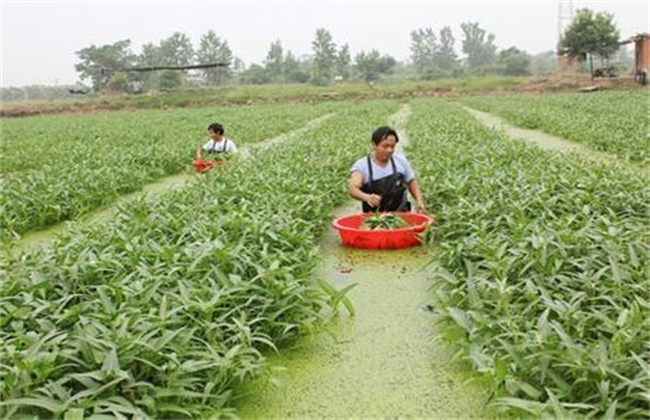
Water spinach likes humid environments. When planted in ordinary plots, try to water it once in the morning and once in the evening. When temperatures are higher, water a little more as appropriate. Soil that is too dry will affect the growth and taste of water spinach, so try to keep the soil moist. For hydroponically grown water spinach, keep the water depth at about 2-3 cm. When temperatures rise and growth is vigorous, gradually increase the water depth to about 10 cm. When temperatures are lower, the water depth must be reduced. For water spinach grown directly in water, keep the water clean and add an appropriate amount of nitrogen fertilizer to let it grow rapidly.
2. Timely fertilization
Water spinach has a short growth cycle and likes water and fertilizer. To make it grow fast and yield high, it needs a relatively large amount of fertilizer. When the seedlings of water spinach grow to 5-7 cm, nitrogen fertilizer can be applied to meet its fertilizer needs. When water spinach is growing vigorously, increase the concentration of fertilization. Generally, organic fertilizer should be applied as a top dressing once every ten days. After harvesting, top dressing should also be applied in time to quickly replenish nutrients for water spinach and promote healthy growth.
3. Cultivation and weeding
When planting in dry land, prevent weeds from growing densely, so as not to affect the water and fertilizer needs of water spinach. Weeds will also compete with water spinach for water and fertilizer, which is detrimental to increasing yield and can also induce pests and diseases. Occasionally loosen the soil to promote root development and provide a good soil environment for the growth of water spinach.
4. Pest and disease control
Under low-temperature and high-humidity environments, this is the epidemic period for pathogens. At this time, the stems and leaves of water spinach will suffer from pests and diseases, such as aphids and diamondback moths. Control measures should be taken in time to prevent pests and diseases from causing reduced yield and to maintain the normal growth of water spinach. In addition, no matter where water spinach is planted, attention should be paid to temperature management, and a relatively high temperature should be maintained.
The above is an introduction to the high-yield cultivation techniques for water spinach. We hope it can help you. If you want to learn more related knowledge, please stay tuned to us.