Detailed Explanation of Key Field Management Techniques for Edamame
Edamame, also called vegetable soybean, is a type of soybean grown as a vegetable for its fresh tender pods, and it is a vegetable that many people enjoy eating and is cultivated in many regions. So how should field management be carried out when growing edamame? Let's take a look together with the editor below.
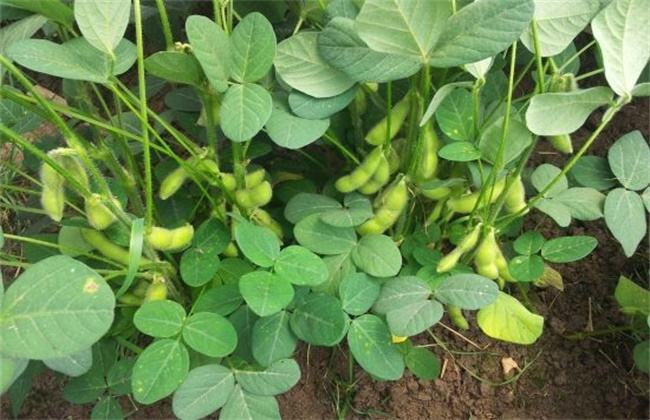
1. Seedling stage
The seedling stage generally lasts about 20 days. At this time, edamame enters the emergence stage dominated by seed swelling and germination, and the seedlings begin to emerge one after another 10 days after planting. At this time, field inspections for seedlings should be carried out promptly. If missing seedlings or broken rows are found, reseeding should be done promptly. Edamame seedlings have strong drought tolerance, and no irrigation is needed after emergence. This can encourage their roots to extend and penetrate downward into the soil, promote well-developed roots, and also avoid the impact on seedling growth and development caused by the drop in low temperatures in spring.
2. Branching stage
The branching stage is generally 15 days. At this time, edamame is in the vegetative growth stage dominated by root, stem, and leaf growth, and the main management goal is to cultivate strong seedlings. After entering the branching stage, intertillage and weeding should be carried out once immediately, but intertillage and weeding must be done carefully to avoid the hoe damaging the seedling roots. Weeds near the seedlings are best removed by hand, and the depth of intertillage should be based on breaking through the surface soil layer. This can play a role in preventing drought and preserving soil moisture, and can also enhance soil permeability, promote soil microbial activity, and improve the nitrogen fixation capacity of rhizobia, which is very beneficial for root growth and cultivating strong seedlings. After intertillage and weeding, water once thoroughly, which can build up capacity reserves for edamame flowering and fruiting.
3. Flowering and podding stage
The duration is generally 35-40 days. At this time, edamame is in a period when vegetative growth and reproductive growth proceed simultaneously. If it relies only on seed fertilizer and base fertilizer, this is far from enough to meet its nutritional needs. Therefore, one topdressing should be applied at the flowering stage, which has an obvious effect on increasing yield. This topdressing should be flexibly controlled according to seedling condition and soil fertility, and generally 100 of high-efficiency organic fertilizer should be applied per mu. When applying topdressing, do not broadcast the fertilizer over the leaves and empty ground. It is best to keep it 10 cm away from the plants, so that fertilizer efficiency is not wasted and the roots are not burned. The flowering and podding stage requires dry conditions with little rain, so do not water after topdressing.
4. Pod-filling stage
The duration is generally 15-20 days. At this time, edamame vegetative growth stops and reproductive growth predominates. Whether the pods develop normally at this time is related to yield and quality, and the main management goal is to prevent premature senescence and excessive vegetative growth. If excessive vegetative growth occurs, pinching the growing tips should be adopted to inhibit its growth, and premature senescence can be prevented by spraying foliar fertilizer.
The above is an introduction to the field management techniques for edamame. We hope it can help you. If you want to learn more related knowledge, please stay tuned to us.