Detailed Explanation of the Key Technical Points for Sowing and Raising Snake Gourd Seedlings
Snake gourd is an annual climbing herbaceous plant, also known as snake luffa and snake bean. Its fruit hangs down like a living snake, which is how it got the name snake gourd. It also tastes quite good, and many people are quite interested in it. Nowadays, more and more people are growing it, so how should snake gourd be sown and raised into seedlings? Let's find out together.
1. Planting Time
The planting time for snake gourd differs from region to region. Generally, farmers north of the Yangtze River plant it in March-April, because it is not strict about soil requirements and has good adaptability, so it can grow in many environments. To improve yield and quality, you can choose to plant it in fertile soil, preferably close to a water source, so that sufficient water can be supplied at any time.
2. Seed Germination
Snake gourd seeds are generally rather thick, so the seeds must be treated before planting to allow them to sprout normally. First, sun-dry them to kill surface bacteria, then put the seeds into 50-degree hot water and scald them briefly. After about 2 minutes, take them out, then put them into cold water and soak for 3 days. After soaking, put the seeds in a warm environment to germinate, and once the sprouts emerge, they can be planted.
3. Land Preparation
When planting, tidy up the land and supplement some nutrients appropriately, so the seeds can germinate well. They grow better in fertile soil, the plants grow more robustly, resistance is enhanced, and they are less likely to be harmed by bacteria. If conditions permit, it can be used together with farmyard manure, using farmyard manure as a base fertilizer, so that its growth can get comprehensive nutrients, and in later growth it can also bear more fruit.
4. Field Planting
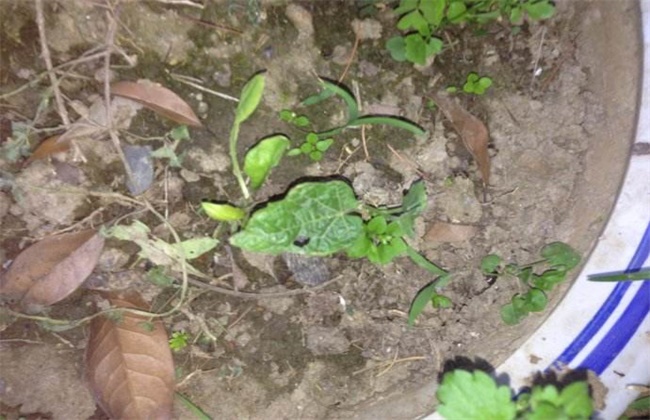
When snake gourd seedlings grow to three leaves, they can be field-planted. A certain spacing should be maintained when planting, generally about 70 cm is enough. After planting, water thoroughly once, and they will grow rapidly. Snake gourd grows quickly, so sufficient fertilizer and water must be maintained. They can be harvested in June, but after one supplementary feeding they mature, and they can be harvested in batches. After each harvest, replenish fertilizer and water in time to supplement nutrients for the plants, promote the ripening of the remaining fruit and encourage them to bear fruit again.
The above is an introduction to snake gourd sowing and seedling-raising techniques. I hope it can help you. To learn more related knowledge, please stay tuned to us.