What are the control methods for white rust of amaranth?
Amaranth not only has excellent edible value, but also extremely high medicinal value, so amaranth is deeply loved by many people, but during the growing process it is inevitably harmed by various pests and diseases. White rust is one of the common ones. Below, the editor brings you the control methods for white rust of amaranth. Let's take a look together.
1. Disease occurrence pattern
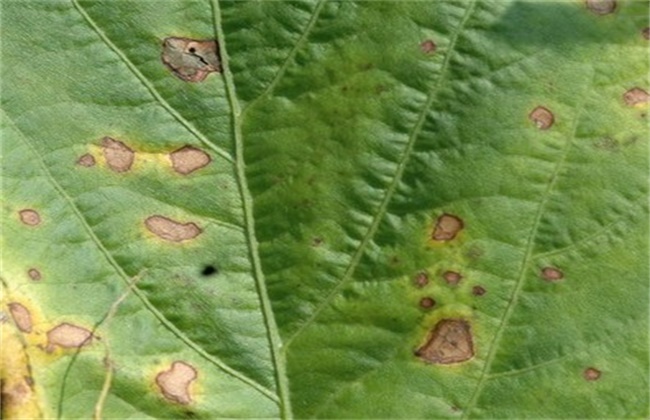
White rust is a common disease of amaranth. When the disease is epidemic, the rate of diseased plants can reach 20%-40%, and sometimes as high as over 80%. Diseased leaves are covered with blister-like spots, affecting the appearance and quality of the vegetable. Because the pathogen overwinters or oversummers as spores remaining in diseased plant residues, soil, and fertilizer, it can survive for more than two years. In plots with severe disease in the previous year, even after control, the disease can still continue to occur in the second year. This disease can occur throughout the entire growing period of amaranth, and is more severe in high-temperature and high-humidity environments. In addition, low-lying terrain, improper irrigation, overly dense planting, poor permeability, and excessive application of nitrogen fertilizer can also cause more severe disease. Sowing too densely leads to more severe disease, while drilling is conducive to ventilation and moisture dissipation, resulting in lighter disease.
2. Seed and soil treatment
Best to sun-dry amaranth seeds in the sun for 1-2 hours within the shelf life to kill surface miscellaneous bacteria and improve the germination rate, then mix the seeds with chemicals to reduce the chance of disease damage. Similarly, the seedbed can also be disinfected with chemicals to minimize the number of pathogens, inhibit their growth and reproduction, and reduce the chance of disease.
3. Agricultural control
Choose varieties with strong disease resistance. For example, the incidence of purple amaranth is lower than that of green amaranth. In areas or plots with severe disease, crop rotation with non-host crops for more than 1 year can be carried out. Choose plots with good drainage for planting, make drainage ditches properly to avoid flood irrigation, drain water promptly after rain to reduce waterlogging, and lower field humidity. Plant at appropriate density; if plants are too dense, thin them promptly to avoid field closure, which affects permeability and improves disease resistance. Fertilize reasonably, increase phosphorus and potassium fertilizer, and avoid excessive nitrogen fertilizer to enhance plant stress resistance. If diseased plants are found, remove them promptly, take them out of the field, and burn them to effectively control and inhibit the spread of the disease.
4. Chemical control
In the early stage of disease, sprays such as mancozeb, copper hydroxide, and propamocarb hydrochloride aqueous solution can be used for control, once every 7-10 days, for 2-3 consecutive treatments. At the same time, spray 30-50 ml per mu of yield-increasing bacteria or 6000-9000 times dilution of Zhibaosu, used alternately for better results, but note that medication should be stopped 15-20 days before harvest.
The above is an introduction to the control methods for white rust of amaranth. I hope it can help you. To learn more related knowledge, please stay tuned to us.