Key Points and Methods of Rye Cultivation Techniques Explained
As people's living standards improve, they become more particular about food, and grains are becoming more refined. Rye is one of these grains, a precious variety of wheat. So how should rye be cultivated? Let's take a look together below.
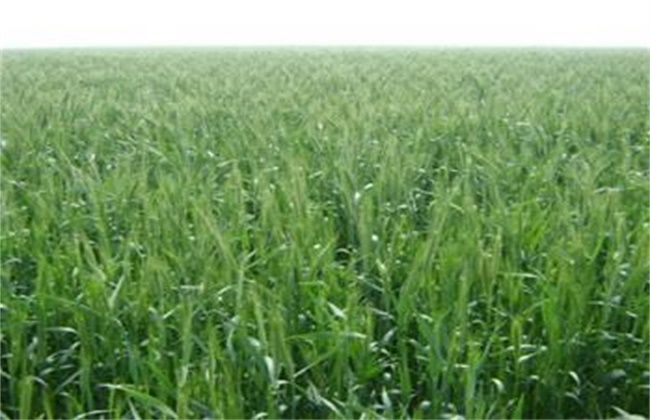
1. Land preparation
Rye has low soil requirements and can grow normally even in relatively poor, slightly acidic soil, but yields are lower. It is best suited to neutral, well-drained fertile loam. Rye seeds are small and light, so fine tillage is required during land preparation. The seedbed surface should be level with no clods, and drainage ditches should be opened around the perimeter so that there is no standing water in the field, keeping the soil moist without waterlogging the seedlings.
2. Sowing
It can be sown in spring or autumn; generally autumn sowing is used, with the suitable sowing period in September to October. Generally, the earlier the sowing, the higher the yield. Sowing methods are usually broadcast sowing or drilling. The seeding rate is about 1.5-2 kg per mu. Seeds can be mixed with calcium magnesium phosphate fertilizer before sowing, but if drought or dry soil occurs, irrigation should be done promptly so as not to affect emergence. Before sowing, it is recommended to sun the seeds for 1 hour, then soak them in warm water for 12 hours before sowing, which can noticeably improve emergence speed and emergence rate.
3. Intertillage and weeding
Weeding should be attended to during the seedling stage. The earlier the sowing time, the more vigorously weeds grow, so weeding must be done well; when sowing in late October, there are generally very few weeds. Weeding can be carried out in three steps: before sowing, spray glyphosate on the soil to effectively clear weeds; after sowing and before emergence, apply glyphosate once more; and during the seedling stage, weeds are generally mainly broadleaf weeds, which can be removed by hand pulling. During the vigorous growth period, rye has a strong suppressive effect on weeds, so no weeding is needed. Weeding can be combined with intertillage to loosen the soil and promote root development, but early intertillage should not be too deep, so as not to damage the roots.
4. Fertilizer and water management
Rye is quite sensitive to fertilizer and water and likes nitrogen. The more fertile the soil, the more obvious its yield increase. At sowing, about 3000 kg of organic fertilizer per mu is required as base fertilizer, and the seeds should be mixed with 20 kg of calcium magnesium phosphate fertilizer at sowing. After each harvest, nitrogen fertilizer should be applied promptly as a top dressing, with an obvious yield-increasing effect. It is also quite sensitive to water, so appropriate watering should be done at the tillering, stem elongation and booting stages, and irrigation should be done promptly in drought to keep the soil moist, with an obvious yield-increasing effect.
The above is an introduction to rye cultivation techniques. We hope it helps you. To learn more related knowledge, please follow us.