Detailed Explanation of Key Points of Cucumber Plastic Film Seedling Raising Technology
Cucumbers are grown on a very large area in China. At present, most cucumber cultivation methods are mainly based on plastic film mulching for seedling raising, which can effectively control soil temperature and prevent excessive water evaporation from affecting the growth of cucumber seedlings. It has a very good promoting effect on both the quality and yield of cucumbers. So when we grow cucumbers, how should we use plastic film for seedling raising? Below, the editor will give you a brief introduction. Let's take a look together!
1. Seed treatment
First, we should select plump, healthy high-quality cucumber seeds without wounds. After selecting the seeds, pay attention to disinfecting them. Because we cannot guarantee whether the seeds are completely free of pathogens, this is a necessary measure to reduce the incidence of pests and diseases. First, soak the dry seeds in warm water at about 60 degrees for about 10 minutes. During soaking, stir continuously. When the water temperature drops to about 30 degrees, continue soaking the seeds for about 5 hours, then remove them for sprouting. Alternatively, you can soak the seeds in a solution such as carbendazim hydrochloride for about 1 hour, then remove and wash them, soak them in water for about 4 hours, and then sprout them.
2. Sprouting method
After the seeds are disinfected, the seeds should be sprouted. After disinfection, first wash the seeds clean, rinse the water off the seeds, then wrap them in a wet cloth and place them in an environment of about 30 degrees for sprouting. During sprouting, pay attention to turning the seeds frequently to ensure they are heated evenly. After about 1 day, the seeds will begin to sprout. When the root tips of the seeds emerge, the temperature should be lowered appropriately, controlled at about 25 degrees. After another 2 days, the sprouts will be uniform. If after the seeds sprout there is cloudy and rainy weather and they cannot be sown, then wrap the seeds well in a wet towel and place them in a 10-degree environment to control the growth of the young sprouts, and sow again when the environment is suitable.
3. Sowing and film mulching
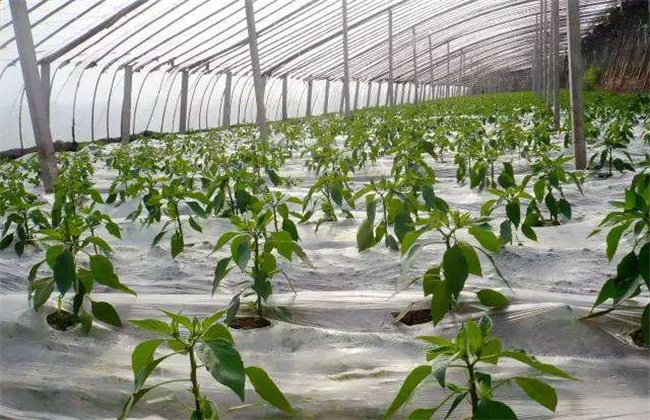
Before sowing, do a good job of soil selection. The previous crop in the soil is best leguminous leafy vegetables. Keep the soil layer soft, with sufficient fertility and normal drainage and irrigation. 2-3 weeks before sowing, deep plow the soil, then apply sufficient farmyard manure per mu, with the amount kept at about 2500 kg. After leveling and finely harrowing the soil, dig trenches and make field beds. Also, prepare the sowing holes well, with a depth of about 8 cm, and sow about 3 seeds per sowing hole. After sowing, cover with film in time. When the seedlings break through the soil, cut the film appropriately to promote hardening of the seedlings.
4. Water and fertilizer management
When the soil temperature stabilizes at about 15 degrees, thin the seedlings, keeping the strong and removing the weak. Three days after thinning, apply the first topdressing, then after about 10 days apply about 15 kg of urea per mu. After cucumbers pass through the plastic film, their demand for water increases, so in the early stage of planting, pay attention to keeping the soil moist. At the initial flowering stage, water lightly as appropriate to promote root growth and increase the fruit-setting rate. About 5 days before harvest, appropriately increase the amount of fertilizer and water. Keep watering about once a week. In the rainy season, pay attention to drainage to avoid root rot caused by water accumulation.
The above is a brief introduction to plastic film cucumber seedling raising technology. Cucumber seedling raising work is very important and directly affects yield, so everyone must pay close attention to it. That is all for today's introduction. This article is for reference only. Thank you for reading and supporting.