What to Do About Tomato Frost Damage? Detailed Explanation of Prevention and Remedial Methods
Tomato is a rather special vegetable: it can be made into delicious dishes, and it can also be eaten raw as a fruit, and it has a fairly large market in China. Tomato cultivation in China has a very long history, but many problems still arise in tomato growing, and frost damage is a fairly common one. So what should be done about tomato frost damage? What symptoms are there? And how should it be prevented and controlled? Let's take a look below!
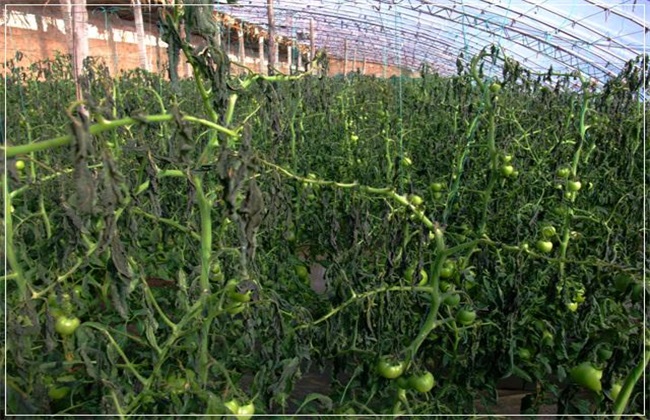
1. Symptoms of Frost Damage
Tomato frost damage generally occurs in winter. As winter temperatures gradually drop, greenhouse tomatoes grown in the winter-spring crop are often troubled by low temperatures. This causes frost injury to the tomatoes. After frost injury, the cotyledons of the tomato plant begin to lose their green color, and leaf curling appears, with the injured parts turning from green to yellow. Sometimes it can also cause an entire leaf to wither and die. If frost damage occurs just after transplanting, new root development is blocked, and the old roots suffer nutrient imbalance and yellowing. In mild cases, the flowering and fruiting period of the tomato is prolonged; in severe cases, it leads to dead seedlings and total loss of harvest.
2. Causes
Tomatoes that suffer frost damage are generally at the edges of the greenhouse, where the insulation capacity is relatively poor, so the plants there are also more prone to frost damage. In addition, the weather is sometimes unstable, and when the soil temperature drops, it cannot be insulated in time. This causes the temperature inside the greenhouse to fall below the range that tomatoes can tolerate, leading to frost damage to the plants. Also, if heavy snow occurs in winter, the snow piles up on the greenhouse surface as accumulated snow that is not easy to melt; if it is not dealt with in time, the accumulated snow generates cold air that invades the greenhouse. This leads to a long period of low-temperature conditions, causing frost damage, dead seedlings and similar problems.
3. Prevention and Control Methods
Renovate the Greenhouse
When building a growing greenhouse, make sure to ensure a reasonable layout; the arch height should not be too large, and if conditions permit, use iron frames as the greenhouse skeleton to improve the load-bearing capacity of the greenhouse. Then the greenhouse film should be pressed tight and firm with film-pressing lines, and any air or water leaks should be repaired in time. After covering the film well, place an appropriate amount of straw felt on top to protect the film. Then appropriately increase the application rate of farmyard manure inside the greenhouse, which can effectively raise the low temperature; after winter arrives, methods such as charcoal fires or ground heating wires can be used for warming measures.
Strengthen Management
While warming the greenhouse, we must also do a good job of ventilation. After warming, ventilate briefly once as appropriate, to improve the air quality inside the greenhouse and reduce humidity. Before frost, water in advance and do the overwintering watering well, which can appropriately raise the temperature inside the greenhouse. Then the method of smoke fumigation can also be used to raise the temperature inside the greenhouse. Combined with disease prevention, carry it out inside the greenhouse every day at midnight. The next morning, the temperature will also rise noticeably.
The above is a brief introduction to what to do about tomato frost damage. Tomato frost damage can have a serious impact on yield, so everyone must pay close attention when growing tomatoes, to ensure normal growth of the tomatoes and improve growing returns. That is all for today's introduction; this article is for reference only, and we hope it can help everyone!