How to improve the low fruit-setting rate of eggplant? Practical methods shared
Eggplant is a common vegetable all year round and is in high demand in the market. With large-scale planting, many growers have reported that its fruit-setting rate is relatively low, which seriously affects the yield. So is there any way to improve the fruit-setting rate of eggplant? Let's take a look.
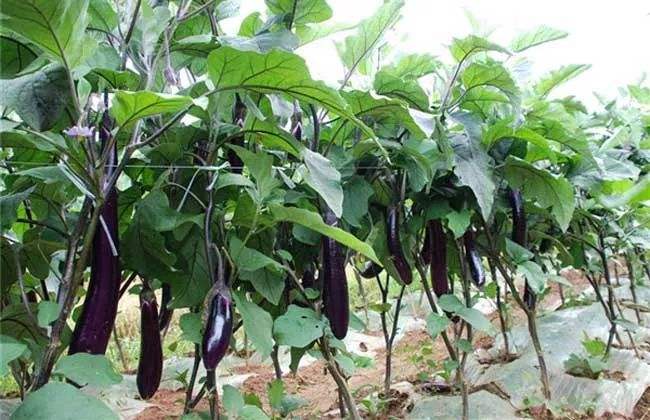
1. Pinching
During the growth of eggplant, the pattern of fruit setting generally follows the branching: the more forks it has, the more fruits it bears. So to promote branching, you can pinch the growing tips after transplanting, which encourages more branching and also promotes the growth of new shoots. This way the plant will grow more fruits, the fruit-setting rate will increase, and the harvest goes without saying - you may even achieve high yields.
2. Hand pollination
When growing vegetables or fruits, most are left to pollinate naturally, but some crops have poor pollination quality themselves, so the yield stays low. In this case, it is necessary to carry out hand pollination. The same is true for growing eggplant. Eggplant usually blooms around 6 a.m., but many farmers tend to make a mistake when growing it: they choose the wrong time for hand pollination, which leads to poor pollination. The best time for pollination is between 8 and 10 a.m. Besides grasping the pollination time, you also need to master the correct method and carry out the work reasonably according to the eggplant's own needs to achieve a high yield.
3. Spraying hormones
Many growers often use certain hormones. As long as they are used properly, these hormones can increase yields to some extent, but you must pay attention to the way and method of use, because hormones themselves have a certain effect on plants, and frequent use will reduce plant quality and affect growth and development. The hormone commonly used for eggplant is 4-CPA (anti-drop agent). This hormone is best used during the flowering stage, as it can prevent flower and fruit drop, and to a certain extent increase the fruit-setting rate, ultimately achieving the goal of high yield.
4. Pest and disease control
No matter what vegetable it is, certain pests and diseases are unavoidable during the growing process, and eggplant is no exception. Once pests and diseases cause damage, they will definitely affect the fruit-setting rate. The most common ones are red spider mites and aphids. During the flowering and fruiting period of eggplant, control measures must be taken to avoid low yields. You can disinfect the seeds and soil before sowing, which can serve as a preventive measure. When pests and diseases occur, spray pesticides promptly to control them and reduce losses to a minimum.
The above is an introduction to how to improve the fruit-setting rate of eggplant. We hope it can help you. To learn more related knowledge, please stay tuned to us.