What are the precautions for planting chives in summer?
Chives are a common vegetable with many ways to eat them, and they are also a common delicacy in the barbecue industry. They can be planted all year round, but when planting in summer, you must pay attention to a few points, otherwise it will have a huge impact on their yield and quality. Below, let's take a look with the editor at the precautions for planting chives in summer.
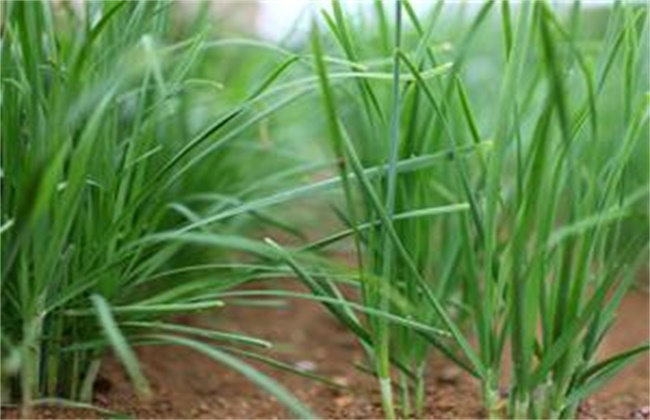
1. Remove weeds
Summer is hot and rainy. This is a good season for chives to grow, and it is also a growing period for all kinds of weeds. Because chive plants are relatively low, they cannot provide effective shade, and the spacing between rows also creates favorable conditions for weed growth. Therefore, pay attention to removing weeds in time, so that weeds do not compete with chives for water and nutrients and affect chive growth. After each watering, cultivate in time, which can both break up soil crusting and achieve the purpose of removing weeds in time. In addition, during daily management, remove weeds whenever you see them, to benefit chive growth.
2. Control excessive growth
Chives grow vigorously in summer, so many growers apply fertilizer irregularly to enhance nutrient storage in chives. This very easily leads to excessive growth of chives, especially when too much nitrogen fertilizer is applied, making excessive growth even more likely. When chives show excessive growth, plant height increases noticeably, leaf area increases, plants become thin and weak, and they are very prone to lodging. After lodging, the plants overlap and shade each other. After a few days, the leaves turn yellow and the plants rot, causing chives to rot and die, resulting in missing plants and broken rows. Therefore, when planting chives in summer, you must insist on mainly controlling excessive growth and promoting sturdy growth. Fertilization should mainly be phosphorus and potassium fertilizer, to increase stem thickness and improve strength, achieving sturdy but not excessive growth, with thick roots and strong seedlings.
3. Remove bolting stems in time
Late summer is the period when chives bolt and set seed. Bolting and seed setting in chives consumes a large amount of nutrients. Under normal circumstances, chives that bolt and set seed are reduced by about 20%-30% compared with those that do not bolt and set seed. Therefore, when chives bolt in late summer, the chive stems should be removed in time, so that nutrients are not excessively consumed. If the chive stems really cannot be removed in time, then before flowering, use a wooden stick to break the chive stems below the chive flowers, to reduce nutrient consumption as much as possible.
4. Control chive maggots
Chive maggots are the most important pest in chive production and often cause large-scale total crop failure. Therefore, preventing and controlling chive maggots is also a key task in chive planting. Under normal circumstances, spring and autumn are periods of high incidence of chive maggots. After removing the shed, promptly use 48% chlorpyrifos emulsifiable concentrate, 1 kg per mu, and apply it with water to the roots for control. Before covering the shed, use it again: use 48% chlorpyrifos emulsifiable concentrate, 1 kg per mu, diluted with water and applied to the roots for control, with good results.
The above is an introduction to the precautions for planting chives in summer. We hope it can help you. If you want to learn more related knowledge, please follow us.