Field Management Methods and Technical Points for Celery
Celery is a side dish that many people enjoy eating very much, and it is not essentially different from Chinese celery. Because of increasing market demand, the requirement for yield is naturally growing larger and larger. When growing celery, if you want to increase the yield, then you must do a good job of field management. How exactly should it be done? Below, the editor brings you the field management methods for celery. Let's take a look!
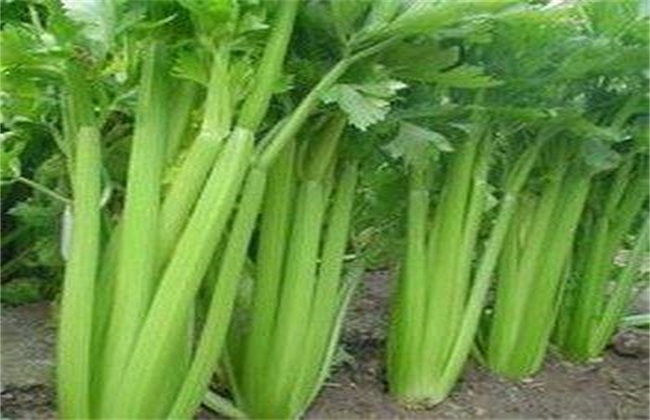
1. Seedling stage management
Seedling stage management of celery is very important. When about 80% of the seedlings have emerged, the straw curtains should be properly opened in the evening each day to promote ventilation and air circulation, or appropriate shading measures should be set up above, and then when the sun is about to set, the shade net should be opened again. As the seedlings grow, the shading time can be appropriately shortened to increase the amount of light the seedlings receive. Then manage them carefully. Generally, about ten days after sowing, the seeds will sprout. When the seedlings grow to 5 leaves, transplant them, keeping the plant and row spacing at about 45 cm, and then water heavily once after transplanting.
2. Fertilizer and water management
Celery has very strong growth ability, a relatively long growth cycle, and relatively high yield. Therefore, the demand for water and fertilizer during growth is relatively large, so in addition to applying sufficient base fertilizer before planting, we must also do a good job of topdressing throughout the entire growth period of celery, and reasonably adjust the fertilization frequency and amount according to the growth stage of celery and soil fertility. Water about once every 4 days to ensure the soil does not show white. One week after transplanting, topdress once every half month, mainly with urea, diammonium phosphate, and other fertilizers. One week before harvest, stop watering to avoid affecting the storage of celery.
3. Intertillage and weeding
About 2-3 weeks after transplanting, celery enters the seedling revival stage. At this time, pay attention to reducing the amount of watering and just keep the soil moist. About one month after the revival stage ends, the growth rate of celery will noticeably decline. At this time, we should do a good job of intertillage and weeding to avoid soil compaction, ensure that a small amount of water can penetrate the soil, improve soil permeability, and promote the growth and development of celery roots. Then carry out weeding to prevent too many weeds from affecting the growth of celery. However, they should not all be removed; leave some to provide some shading for celery.
4. Pest and disease control
Pest and disease control in celery is also a management task that needs to be done with emphasis. Common pests and diseases of celery include leaf spot disease, aphids, and others. When planting, we must regularly disinfect and check the growth of celery. Control fertilizer and water well and do not apply excessively, to prevent fertilizer damage and waterlogging damage from causing pests and diseases. We should appropriately understand the symptoms and control methods of several common celery pests and diseases. For example, when leaf spot disease occurs, use pesticides such as chlorothalonil or carbendazim for spraying control, once a week, for one month, etc. This enables timely identification of the specific cause and then corresponding measures can be taken.
The above is a brief introduction to the field management methods for celery. Celery can be harvested when it grows to about 40 cm. Pay attention to the harvest time; it must not be harvested too early or too late, otherwise it will have a relatively serious impact on the yield of celery. That is all for today's introduction. This article is for reference only, and I hope it can help everyone!