Analysis of Common Problems in Morel Mushroom Cultivation
The morel mushroom is a very common type of fungus and has a very large market demand in China. Therefore, the cultivation area of morel mushrooms in China is now very extensive, but morel cultivation is not as simple as it seems. When cultivating morel mushrooms, many problems often arise, so what exactly are these problems? Below, the editor will briefly analyze the common problems in morel mushroom cultivation for everyone. Let's take a look!
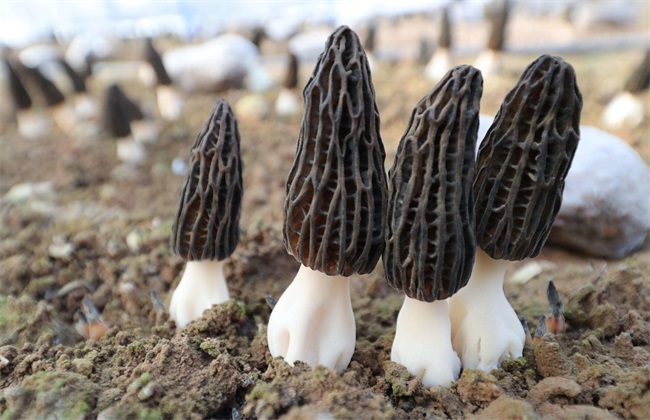
1. Unreasonable culture soil
When cultivating morel mushrooms, attention must be paid to choosing the culture soil well. Unreasonable selection of culture soil is a problem that many people often encounter in cultivation. When cultivating morel mushrooms, the culture soil should be slightly alkaline, mainly prepared from materials such as sawdust, bran, and corn cobs. Mix these with the surface soil to prepare a soft nutrient soil. Then add an appropriate amount of insecticide to the nutrient soil to do a good job in preventing pests such as termites. The standard for preparing the nutrient soil should be that after watering, it forms a ball when squeezed in the hand and breaks into granules when patted. After preparing the nutrient soil, attention should be paid to making the bed ridges well, with the distance between each bed ridge kept at about 20 cm, to facilitate watering and harvesting.
2. Improper ventilation
Morel mushrooms have relatively high requirements for air quality, especially during the development of the fruiting bodies, where good ventilation must be ensured. If the indoor carbon dioxide concentration is too high, it will cause very serious effects on morel fruiting bodies, resulting in various adverse phenomena such as thinness and small size. Therefore, during the growth of morel mushrooms, sufficient oxygen must be maintained, and ventilation inside the shed must be done well during cultivation. However, when ventilating, attention should be paid to coordinating the temperature well, so that there is both good ventilation capacity and prevention of temperature decrease. Then, before the mushroom buds have fully grown, the ventilation volume should not be too large, otherwise the tips are prone to drying out and dying.
3. Insufficient nutrition
Morel mushrooms also have a very large demand for nutrients, and during cultivation it is necessary to ensure that morel mushrooms have sufficient nutrition. Nutrition should be guaranteed comprehensively, with reasonable supplementation of various nutrients such as vitamins and active fructose. First, we must establish a good beneficial microbial community, promote the growth of mycelium, improve the nutrient conversion rate of the soil, and accelerate the growth rate of morel mushrooms. If nutrition is insufficient, it will not only affect the growth of the mycelium, but the fruiting bodies will likewise be inhibited. Yield will be reduced, and quality will also decline. Therefore, everyone must pay attention to doing a good job in nutrient supplementation during cultivation.
4. Unsuitable environment
When cultivating morel mushrooms, we must also pay attention to controlling the cultivation environment of the morel mushrooms well. For example, temperature, light, humidity, and so on. During cultivation, if the temperature of the mushroom shed is unsuitable, it can very easily lead to the death of morel mushrooms. During the growth of morel fruiting bodies, an appropriate amount of scattered light should be provided for them to promote the growth of morel mushrooms. Then we must also control humidity well. If the humidity does not reach 75%-80%, the mushroom buds are very likely to die. Therefore, appropriate mist spraying should be used to increase humidity.
The above is an analysis of several common problems in morel mushroom cultivation. Therefore, when cultivating, we should pay attention to doing a good job in management in these aspects, ensuring the normal growth of morel mushrooms and improving cultivation benefits. That is all for today's introduction. This article is for reference only, and I hope it can help everyone!