Key Points and Precautions for Fertilizing Hyacinth Beans
The common name of the hyacinth bean is bian dou, and it is cultivated in both tropical and subtropical regions. Its tender pods are eaten as a vegetable, and its flowers and seeds can be used as medicine, having the effect of dispelling summerheat-dampness pathogens and strengthening the spleen to stop diarrhea, while also having a notable effect in reducing tumors. So how should hyacinth beans be fertilized when planted? Let's learn about it together.
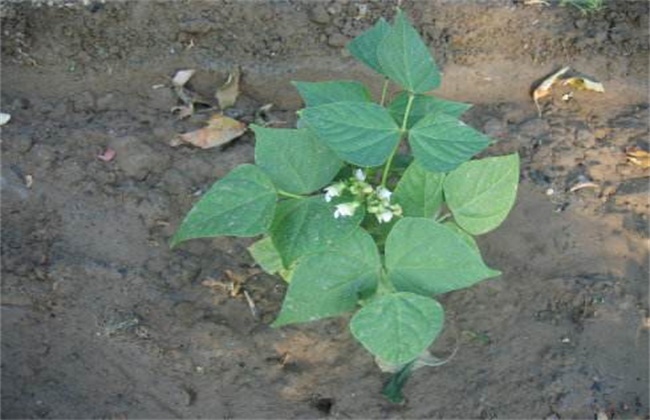
1. Base fertilizer
The hyacinth bean is a fertilizer-loving crop, and its growth and development cannot be separated from nutritional support. Before sowing, base fertilizer should be applied together with land preparation. The base fertilizer is mainly organic fertilizer or farmyard manure, generally applied at 2000-3000 kg per mu. When applying farmyard manure, be careful to fully decompose it, so as to avoid the fertilizer fermenting and burning the roots, causing seedling death. After fertilizing, level and harrow the soil finely, then make beds according to the terrain and wait for sowing.
2. Seedling fertilizer
Generally, after sufficient base fertilizer is applied, hyacinth beans do not need fertilizer before the flowering stage. If the base fertilizer was not applied in sufficient amount, or the plants are growing weakly, consider applying quick-acting chemical fertilizer or decomposed human excrement and urine with irrigation water to promote seedling growth. Hyacinth beans prefer nitrate nitrogen and do not like ammoniacal nitrogen. Applying too much ammoniacal nitrogen fertilizer will inhibit their growth and development, so special attention should be paid when fertilizing.
3. Flower and pod fertilizer
The flower and pod stage is the period with the greatest demand for nutrients and water. At this time, fertilization is generally carried out together with watering. When applying fertilizer at the flowering stage, urea, compound fertilizer and human excrement and urine are mostly used. When the lower inflorescences set pods, generally water once every 15 days and topdress once, applying 10 kg of ternary compound fertilizer or 100 kg of human excrement and urine per mu each time; during the pod-setting stage of the middle inflorescences, generally water and topdress once every 8-10 days, applying 7-8 kg of urea per mu with irrigation water each time; during the flowering stage of the upper inflorescences and the stage when side branches reflower and set pods, generally water and topdress once every 10 days, applying 5 kg each of urea and potassium sulfate per mu with irrigation water each time. At the same time, from the late pod-setting stage onward, ventilation and light penetration should be improved. Old leaves and yellow leaves in the middle and lower parts should be removed in time, and some leaves in overly dense stem and leaf areas should be thinned out, and late-emerging tender buds should be pinched off.
4. Harvest fertilizer
For hyacinth beans, 15-16 days after flowering, when the pods have grown large and well and the fresh weight meets the standard, this is the period with the best commercial value, and they should be harvested at this time. When picking, be careful to protect these flower buds. After picking the first flush of pods, the retained flower buds will accelerate their development and flower to set a second flush of pods. At the same time, fertilizer should be applied once after each picking to set a second flush of pods.
The above is an introduction to hyacinth bean fertilization techniques. We hope it can help you. To learn more related knowledge, please stay tuned to us.