When to harvest licorice? Detailed explanation of harvest time and methods
Licorice is a perennial herbaceous plant in the Fabaceae family and a traditional Chinese medicinal material with a relatively long history in China. The main medicinal part is the rhizome of the plant, and it has various medicinal effects such as clearing heat and detoxifying, and relieving cough and phlegm. It is currently planted very widely in China. When growing licorice, its harvest time and methods are also very critical, so when exactly should it be harvested? How should it be harvested? Let's take a look together below!
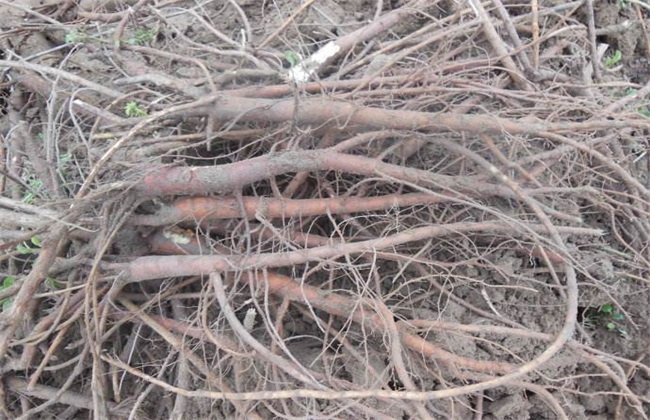
1. Harvest time
The harvest time of licorice should be reasonably adjusted according to the planting method of licorice. If it is direct seeding, then harvest in the fourth year of planting. If it is propagated by rhizome or division, then it can be harvested in the third year. And if it is seedling transplanting, then it can be harvested the following year. Within 3 years of planting licorice, the secretion of glycyrrhizic acid is relatively high, and then in the fourth year, the glycyrrhizic acid content reaches about 2.5%. So this is also the reason why it is harvested in the fourth year after sowing. At the time of harvest, choose spring or autumn according to factors such as the climate of the planting region, and generally dig it up in autumn after the stems and leaves of the licorice plant have withered.
2. Harvest methods
The harvest method should likewise be reasonably determined according to the planting method. If it is direct seeding and seedling transplanting, then manual and mechanical methods are generally mainly used. During manual harvesting, dig open the topsoil about 25 cm beside two rows of plants, expose the root head of the licorice plant, and then grab it and pull it out. Then place the soil dug from the second row onto the first row, and so on, which can significantly increase yield and protect soil quality. If mechanical harvesting is used, first plow deeply about 35 cm to cut off the lateral roots of the plants. Then rake out the roots, straighten the rhizome part of the licorice after harvesting, tie it up, and process it in time.
3. Processing methods
The processing site for licorice should not be too far away, and a place with high terrain, dryness, normal ventilation and cleanliness should be chosen. The freshly harvested grass should have the reed head, lateral roots and rotted parts cut off. Then cut it into strips of about 30 cm according to layers, and then tie them into small piles for drying in the sun. After about 5 days, pile them into large grass stacks, and then place them in a suitable environment to dry in the shade. Finally, do the bundling work according to national standards, or manually cut semi-processed licorice into slices for air drying.
The above is a brief introduction to the harvest time and methods of licorice. The harvest time and methods of licorice should be reasonably controlled and adjusted according to the planting method, to ensure the yield of licorice and expand planting benefits. That is all for today's introduction. This article is for reference only, and I hope it can be helpful to everyone!