Detailed Explanation of Seedling Raising Methods and Technical Key Points for Leaf Lettuce
Leaf lettuce is a vegetable grown from seed, and it generally needs to be raised as seedlings before being transplanted. Direct sowing often results in uneven emergence, or some seeds do not emerge at all and need to be reseeded. Raising seedlings can solve this problem. When to raise seedlings, what preparatory work should be done, how to do it, and what management is needed after emergence are the main parts of this article. Friends who need it can read and learn about it.
1. Sowing Time
Leaf lettuce is generally cultivated in summer and autumn, so sowing and seedling raising should be done about half a month in advance, so that it can be transplanted into the field at exactly the best time for planting. However, in summer, it can also be cultivated in some areas, such as some high-altitude areas with lower temperatures. Greenhouses can also be used for off-season cultivation, and plastic tunnels can advance the cultivation time.
2. Seed Soaking and Germination
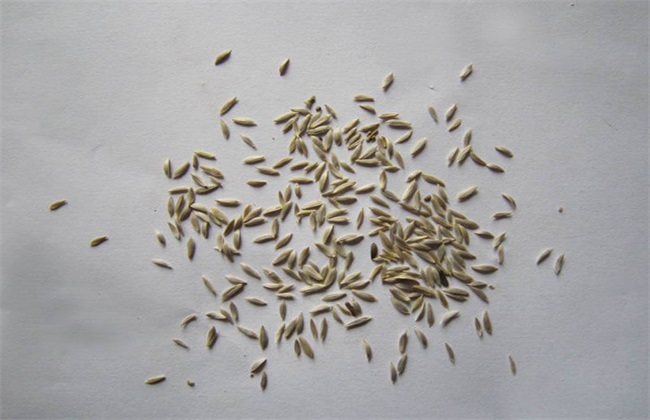
Soaking seeds and promoting germination can make seeds sprout more easily. In addition, germination promotion can make seedlings emerge more uniformly. Most seeds are sown after the seed coat cracks and the white radicle shows, so they germinate quickly. Soak the seeds in clean water for 5 hours, then drain them before promoting germination. Since the seeds are small, hot water soaking is not necessary. For germination promotion, clean wet sand can be used for stratification. Put a 20 cm layer of sand, place the seeds on it, then cover with 2 to 3 cm of sand. Add ice cubes and water to a thermos bottle, put in the seeds to promote germination, and change the water once a day. Alternatively, wrap the seeds in a wet cloth and place them in a 15 to 20 degree incubator, rinsing once a day.
3. Sowing and Seedling Raising
Sow directly in the seedbed. Broadcast evenly on the seedbed, or sow in furrow rows, and in either case sow evenly, because this makes thinning convenient. After sowing, cover with 1 cm of soil. After germination promotion, cover with soil more shallowly than for direct sowing to facilitate sprouting. In spring and autumn, when temperatures are good, seedlings can be raised without protection, or they can be raised in a plastic tunnel, which is faster. Young sprouts need moisture retention, but direct sunlight should be reduced, so seedlings can be raised in a shaded place.
4. Management After Emergence
After sowing, water to keep the soil moist, and this should be maintained continuously. It is best to water in the morning and evening every day, but the amount of water should not be large. Spraying is better, as it allows the seedling leaves to absorb water quickly without causing waterlogging in the soil. After emergence, leafy vegetables are prone to diseases such as soft rot, downy mildew, and damping-off. Reduce humidity; scattering rice husks can absorb moisture and prevent diseases. However, diseased plants should first be removed, then fungicides such as carbendazim should be sprayed to eliminate the disease. When the seedlings grow to 5 cm, they can be thinned according to density, keeping strong seedlings and pulling out the rest. When they have 5 leaves, they can be transplanted and established.
Seedling raising is the prerequisite for planting. The quality of seedling raising directly determines the growth condition in the later stage, so the seedling raising period deserves attention. Choosing healthy, high-quality seedlings is the prerequisite for high yield and high quality. Not much more to say here. Thank you for reading. Support.