Detailed Explanation of the Key Cultivation Techniques for Watercress
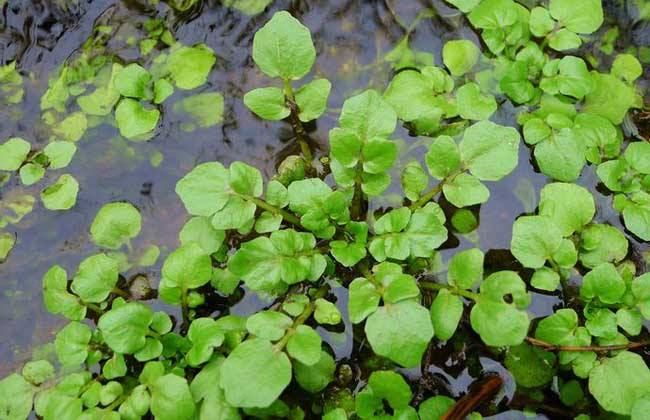
Watercress, also called douban cai, originated in Europe and likes to grow in water or near water. It is now cultivated in a very wide range of areas, and can even be grown in the high-altitude region of Tibet, showing strong adaptability. It is a common hydroponic vegetable and can also be used as medicine, with the effects of clearing heat and promoting diuresis. It has been introduced into our country for many years, and the cultivation experience is rich. To achieve high yields, the following cultivation techniques should be done well. Let's take a look together now.
I. Sowing
After sowing and raising seedlings, transplant them. Since the seeds are small, they can be raised in nutrient trays. Wash the nutrient trays clean and disinfect the culture soil to prevent carrying pathogens. Sow 2 to 3 seeds per hole to ensure the germination rate. Then the main thing is to water every day, but prevent damping-off and downy mildew. The small arched shed covering should be well ventilated on cloudy and rainy days to reduce humidity. Maintain the temperature needed for germination, but ventilate at noon on sunny days to prevent high temperatures from scorching the seedlings.
II. Planting
In the Yangtze River Basin, sowing can be done in October. Then, when planting the seedlings, remove weak and diseased seedlings. The planted seedlings are required to all be short and sturdy, not thin, elongated, or frail. Then, do not plant too deep, as this affects root growth and nutrient uptake. For planting, if there are many fibrous roots, most should be trimmed off to promote new root growth.
III. Management
Use loose, breathable sandy loam as the planting field. Then the soil is required to be fine and crumbly, which is beneficial for root growth and reduces resistance. Apply 2000 jin of barnyard manure as base fertilizer per mu to ensure the soil is fertile. Irrigate the field with a shallow water layer of within 2 cm, which is suitable for growth. Pull out weeds to prevent them from competing for nutrients. After one harvest, 30 jin of urea can be spread per mu to supplement nutrients.
IV. Harvesting and Seed Saving
When it grows to more than 20 cm tall, it can be harvested. Harvesting generally means picking the tender shoots, or directly harvesting all of it and replanting. Then, for varieties that do not set seed, seed plants can be kept, and they can only be kept over summer for seed. Use shade covering to lower the temperature for seed saving. For those with seeds, pick the seeds when the pods are all cracked open. Dry them in the shade to extract the seeds.
That is the specific content of watercress cultivation techniques. If there is anything not taken into account, you can operate according to your own experience. You can also learn from each other and seek advice from others. It is best to consult some farmers with many years of watercress cultivation experience. This way you can get more complete experience content.