Detailed Explanation of Management Techniques After Eggplant Transplanting
Eggplant is a very popular vegetable in China, rich in nutritional value and delicious in taste, and its planting area is also continuously expanding. Eggplant cultivation is mainly based on raising seedlings and transplanting, which can effectively increase yield. First raise the seedlings, then carry out transplanting and planting work under suitable conditions. So how should management be done after eggplant transplanting? Below, the editor will bring you the management techniques after eggplant transplanting. Let's take a look!
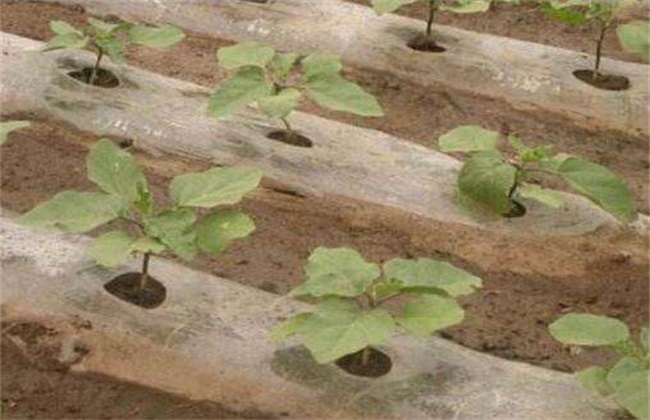
1. Temperature management
After transplanting, eggplant seedlings should be kept at a relatively high temperature for 7 days to promote the growth of new roots. After transplanting, the temperature should be maintained at around 30 degrees, with the day-night temperature difference controlled at 15 degrees. After about a week, under continuous high-temperature conditions, the newly grown leaves of the eggplant seedlings will begin to grow effectively. At this time, we should promptly and appropriately lower the temperature to avoid excessive vegetative growth caused by a continuous high-temperature environment. Before fruiting, the daytime temperature should be maintained at around 24 degrees, and the nighttime temperature at 12 degrees. During the transition between spring and summer, the temperature gradually rises, and at this time we also need to do a good job of cooling.
2. Proper ventilation
Ventilation is also something we need to do well after eggplant transplanting. If ventilation is not timely, the humidity inside the greenhouse will gradually increase, causing various eggplant diseases. Therefore, after transplanting, we should ventilate according to the temperature and humidity in the greenhouse. One week after transplanting, ventilation should begin when the daytime temperature exceeds 25 degrees and the nighttime temperature is above 15 degrees. On rainy days and after watering, humidity tends to rise, so we should appropriately extend the ventilation time. Especially in early spring, various pests and diseases are very likely to occur, so ventilation work must be done well.
3. Water and fertilizer management
We should reasonably adjust water and fertilizer management methods according to the transplanting season. For example, in autumn and winter, because the temperature is relatively low, the growth capacity of eggplant is not strong, and the demand for water is not great, so we only need small drip irrigation. In autumn and winter, watering time should be chosen on a sunny afternoon; in other seasons, watering should not be done on sunny or rainy afternoons. Then, when the first eggplant fruit grows to the size of a ping-pong ball, topdressing should be carried out. The yield of eggplant is relatively high, so the demand for fertilizer is also relatively large. Therefore, more fertilizer should be applied, alternating organic fertilizer and chemical fertilizer, to meet the nutritional needs of eggplant flowering and fruiting.
4. Pruning and trimming
The pruning and trimming work after eggplant transplanting is also very important. After transplanting, we should reasonably prune the eggplant according to the growth condition of the eggplant plants. Do a good job of various basic pruning measures such as removing side shoots, two-stem pruning, hanging branches, and removing old leaves. Each pruning method has a different function, and all are carried out only to ensure the normal growth of eggplant. They can effectively improve field ventilation and light penetration, avoid excessive consumption of nutrients, and prevent eggplant growth from being hindered and yield from being reduced.
The above is a brief introduction to the management techniques after eggplant transplanting. The management work of eggplant is very important. When planting eggplant, attention must be paid to strengthening management to ensure yield and benefits. That is all for today's introduction. This article is for reference only, and I hope it can help everyone!