When to Harvest Sichuan Peppercorns? Detailed Guide to Harvest Time and Methods
Sichuan peppercorns are mainly widely cultivated in the southwestern region, generally fruiting in September and October, and prefer a warm climate with plenty of sunshine. Sichuan peppercorns should be harvested when the fruit has fully changed color and ripened, giving off a rich fragrance. Harvesting Sichuan peppercorns is not just an action; it includes the best time, harvesting precautions, signs of ripeness, specific harvesting methods, and post-harvest processing work. The main content of the following article is to specifically explain these parts.
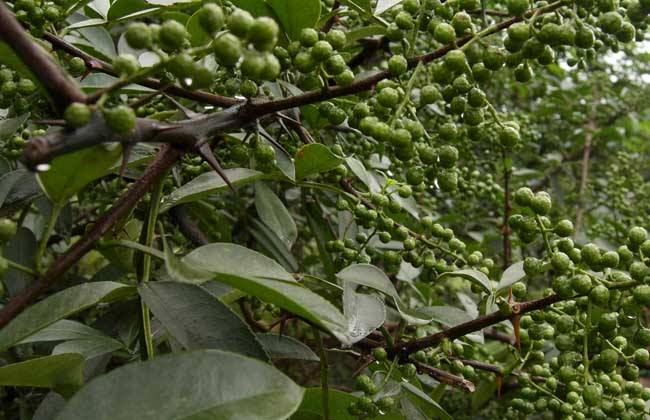
1. Harvest Time
Different varieties of Sichuan peppercorns have inconsistent growth cycles, so their ripening periods will differ. In Hunan, it is generally in September, when there is still enough sunshine to dry them. The southwestern provinces are similar. Most are harvested from August to October, generally varying due to temperature and light. A few varieties can be harvested as early as the end of June.
2. Signs of Ripeness
When Sichuan peppercorns change from green to red, and finally turn reddish-brown with a deep color, and a few granules split open revealing black seeds. A strong fragrance can be smelled from far away, and when you look closely, the peel has plump oil spots, indicating they are ripe and can be picked. At this time, once picked and exposed to the sun, the shells will all split open.
3. How to Harvest
Generally, harvesting should be done on a sunny morning with no dew, so that the harvest can be timely and catch the sun. Then, use scissors to cut rather than picking by hand. Carry a basket, and when cutting, cut one whole cluster at a time, not picking granule by granule by hand, which affects quality. Do not put too much in at a time; handle gently to prevent squeezing and breaking the oil cells.
4. Key Points to Note ⟧11⟧Be careful not to cut the main axis of the flower cluster, as it can easily fail to grow. Generally, only cut the small clusters that bear Sichuan peppercorns, and do not cut too much. Then, when cutting clusters, be careful not to cut leaves or knock off leaves. Protect the leaves to continue supplying nutrients to the tree, which ensures tree vigor and is beneficial for the Sichuan peppercorn tree's overwintering. When cutting, cut off fruit clusters damaged by pests and diseases, as well as some pest-damaged branches and dead branches, and take them out together, then burn them.
Be careful not to cut the main axis of the flower cluster, as it can easily fail to grow. Generally, just cut off the small spikelets that bear the growing Sichuan peppercorns, and do not cut more than necessary. Then, when cutting the spikelets, be careful not to cut the leaves, and do not knock off the leaves. Protect the leaves so they can continue supplying nutrients to the tree, which ensures the tree's vigor and benefits the Sichuan pepper tree's overwintering. When cutting, cut off the fruit clusters damaged by pests and diseases, as well as some pest-damaged branches and dead branches, and take them all out together, then burn them.
5. Post-Harvest Processing
After picking, dry them quickly in the sun or by machine. Do not keep piling them up, as they easily mold and deteriorate, affecting quality. You can dry them while picking. Drying should be done on bamboo mats, and they should be turned over at intervals to ensure even drying and proper moisture loss. If not dried during the day, they can be dried by machine. Do not over-dry, for fear of damaging the seeds.
Harvesting Sichuan peppercorns requires the right period, suitable time, and the best methods. When picking, carefully protect the fruit clusters and the plant. Timely post-harvest processing ensures the finished quality of the harvested Sichuan peppercorns. This gives greater competitiveness in the market. For more details, research on your own; this article provides reference.