What are the key management points for soybean during the flowering period? Explained clearly in one article
After soybean begins to flower, it enters a period in which vegetative growth and reproductive growth overlap and occur together. At this time, temperatures are high, light is intense, and the plants grow relatively quickly, making excessive vegetative growth and lodging extremely likely. So how should soybean be managed during the flowering period? Let's take a look.
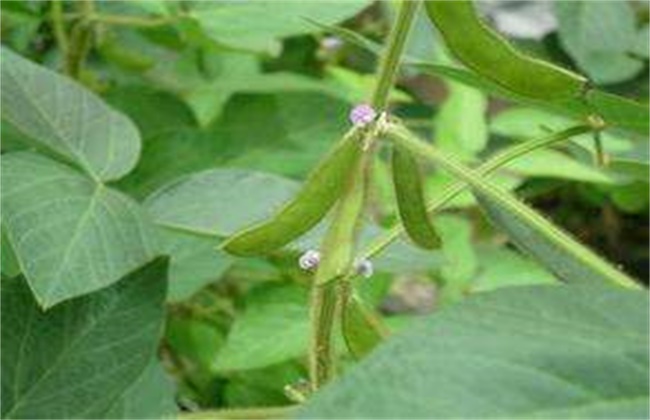
1. Intertillage and earthing up
After soybean begins to flower, it reaches the stage when it needs to absorb nutrients. At this time, lodging prevention measures should be carried out, and intertillage and earthing up should be done. Intertillage should be carried out before soybean flowering closes the rows, maintaining good soil permeability, which is beneficial to root development and increases lateral roots, so that individual development and population structure adapt to each other, achieving this kind of robust development and realizing the goals of lodging resistance and increased yield.
2. Drainage and irrigation
The soybean flowering period is precisely a critical period for water demand. If soil moisture exceeds 80% of field capacity, the growth and development of soybean will be affected, so after heavy rain, accumulated water in the field should be drained promptly to reduce soil moisture and air humidity and promote normal plant growth. At the end of flowering, vegetative growth reaches its peak and metabolism is vigorous. At this time, if the soil water content is relatively low, it will cause a large amount of flower and pod drop, so watering should be done promptly according to soil dryness and moisture.
3. Topdressing
The flowering period consumes a large amount of nutrients. If fertilizer is insufficient during the flowering period, phenomena such as fewer flowers and pods, more shedding, pale leaf color, and thin and weak plants will appear in the middle and late stages of growth. These are obvious symptoms of nutrient deficiency. At this time, topdressing should be done promptly to maintain soil nutrients, but soil fertilization takes effect relatively slowly, so it can be carried out together with foliar fertilization for better results.
4. Spraying pesticides
During the flowering period, soybean has weak resistance to the external environment, and at this time, if pesticides are sprayed, it is unavoidable that pollen and stigmas will be harmed, causing flower buds to drop and increasing the number of shriveled grains, often leading to a yield reduction of 10%-15%. If pests and diseases occur during the flowering period and medication must be used, it is best to do so after 4 p.m., and at the same time strictly control the dosage and concentration of the pesticide.
The above is an introduction to the key management points for soybean during the flowering period. We hope it can help you. If you want to learn more related knowledge, please follow us.