What are the key points for soybean storage? Keep these points in mind
Soybean is one of the important food crops in our country, with an extremely high protein content. After harvest, many issues need attention during storage. Improper storage methods can lead to deterioration and mold, seriously affecting soybean quality. So what should be noted during storage? Let's find out together.
1. Thorough drying
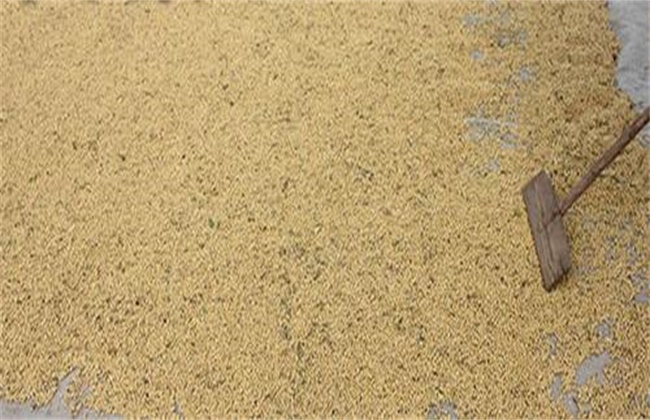
Soybean is rich in protein and moisture and is highly prone to denaturation at high temperatures, so after threshing it should be dried promptly to reduce moisture. Soybean intended for long-term storage should not exceed 12.5% moisture; if the moisture content is too high, it is highly prone to mold during storage. During storage it must be put into the warehouse under low-temperature conditions. This is especially true for seeds after drying. To avoid protein denaturation caused by accumulated heat at high temperatures, they must be spread out to cool before being put into storage. When putting them into the warehouse, try to choose dry weather with plenty of sunshine, and never put them into storage on rainy or humid days.
2. Seeds should not be piled too high
When storing soybean seeds, at temperatures below 15°C and moisture content below 12%, the pile height should not exceed 1.5 m. This is to avoid deterioration caused by accumulated heat. For bagged storage, a height of 8 standard gunny sacks is appropriate. If the temperature and humidity are above these standards, the pile height should be lowered accordingly. Between stacks and walls, and between stacks and stacks, the spacing should be arranged reasonably.
3. Timely ventilation
Newly stored grains have uneven moisture. Combined with after-ripening, respiration is vigorous, and damp heat accumulates considerably within the soybean pile. At the same time, it is also the season when temperatures drop, making condensation very likely. Therefore, about 3-4 weeks after the soybean is put into storage, it should be ventilated promptly to release moisture and heat and increase the soybean's storage tolerance.
4. Should not be stored together with pesticides and chemical fertilizers
When storing soybean, a dedicated warehouse should be used for this purpose only. Chemical fertilizers or pesticides must not be piled in the storage room, to prevent toxic gases produced after the fertilizers and pesticides volatilize from entering the embryo, causing reduced vigor of the soybean seeds and lowering quality.
5. Low-temperature sealing
In winter storage, soybean can be frozen and stored with temperature-controlled sealing. This can not only isolate the effects of external temperature and humidity as well as infection by pests and diseases, but also prevent oil exudation and red discoloration, helping to maintain soybean quality.
The above is an introduction to the key points for soybean storage. We hope it can help you. To learn more related knowledge, please stay tuned to us.