What are the key management points during the soybean seed-filling stage?
In soybean production, the soybean seed-filling stage is a relatively important period and has a major effect on yield. At this time, growth is at its most vigorous, the seeds gradually swell, and it is the period when soybeans accumulate the most dry matter. So how should soybeans be managed during the seed-filling stage? Let's take a look together.
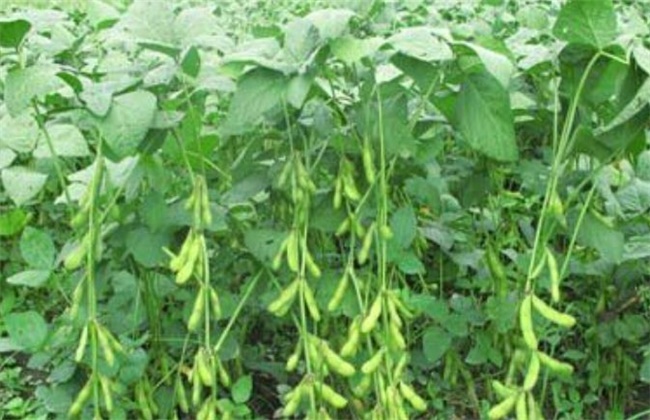
1. Foliar fertilization
After soybeans enter the seed-filling stage, vegetative growth basically stops and reproductive growth is at its most vigorous. At this time, large amounts of nutrients in the plant are transported to the seeds to promote seed swelling, and this is the period when the most dry matter is accumulated. At this stage, soybeans have a relatively high demand for phosphorus and potassium fertilizers. Before this, these nutrients were mostly taken up from the soil through the roots, and the conversion of nutrients in the soil is relatively weak, which also causes a mismatch between the soybean's demand for nutrients and the soil's ability to supply fertilizer. This makes it prone to premature senescence due to insufficient nutrients, becoming a major factor limiting high soybean yields. Therefore, during the soybean seed-filling stage, foliar fertilization can be adopted to effectively alleviate the contradiction between soybean fertilizer demand and fertilizer supply, and accelerate the accumulation, transformation and transport of assimilates. For each mu, 0.3-0.5 kg of urea and 70-100 g of potassium dihydrogen phosphate can be mixed with 30 kg of water and sprayed on the leaves, which gives a relatively good effect. Spray 2-3 times as appropriate according to growth conditions.
2. Reasonable irrigation
When soybeans are swelling, in addition to nutrients, they also need sufficient water. The seed-filling stage happens to come after the peak rainfall period, so there is less rain and soil moisture is often insufficient, resulting in the “autumn drought” phenomenon. This has a relatively large impact on soybean swelling, so timely irrigation can be used to replenish water at this time to promote seed swelling and improve yield and quality.
3. Weeding
During the soybean seed-filling stage, weeding work should be strengthened. Weeds compete with soybean seeds for water and nutrients during swelling and can inhibit the reproductive growth of soybeans, so weeding must be done frequently. At this time, the crop is in the maturity stage and pesticides should not be sprayed, so as to prevent the chemicals from entering the seeds and harming human health. Therefore, it is recommended to pull out weeds in the field by hand.
4. Pest control
This is also a period of high incidence of soybean pod borer and legume pod borer. They bore into the pods and continuously feed on the seeds, eating the pods empty, causing yield decline and also spreading diseases. Therefore, pest control measures should be strengthened, and pests should be controlled promptly once found.
The above is an introduction to the key management points during the soybean seed-filling stage. We hope it can help you. To learn more related knowledge, please stay tuned to us.