How to Grow Chives and Field Management Tips
Chives have a rich, fragrant flavor and are a commonly used seasoning ingredient in cooking; they can also be processed into dehydrated vegetables. Chives are generally a type of scallion cultivated in all four seasons, but the best time to plant them is in spring and autumn. At present, yields are relatively good and the market situation is also optimistic; they are quite popular and are a household staple vegetable. Demand is relatively high. So what work must be done well to grow chives? Let us discuss it together now.
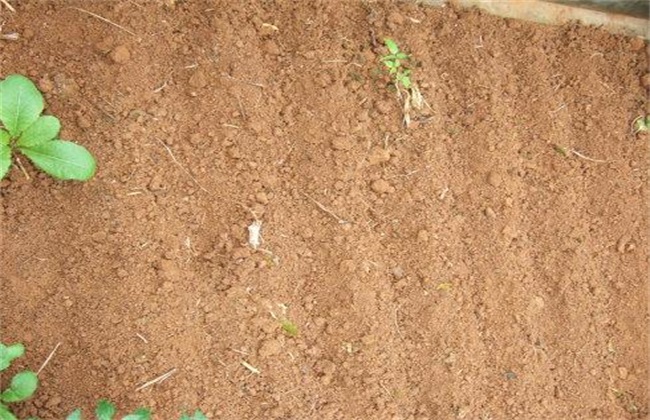
1. Plot Selection and Land Preparation
Chives are cold-tolerant and heat-tolerant, but not drought-tolerant, so the planting site should be soil with good water- and fertilizer-retention capacity; alternatively, sandy loam can be chosen, on a slope that receives sunlight but not prolonged direct exposure. It should be in a location with a good water source for convenient irrigation. Do not plant in areas seriously contaminated by pesticides. For the planting field, apply 1500 jin of farmyard manure per mu, plus about 120 jin of nitrogen-phosphorus-potassium compound fertilizer. First till the soil within 30 cm and apply fertilizer, then after cultivating the soil fine and covering it with more than 10 cm, rotary-till all the soil, level the land, and build seedbeds 1.3 m wide; the main field should also be prepared well.
2. Seed Selection and Treatment
It is best to choose varieties with purple or white flowers, as such varieties have a rich fragrance and high economic value. Currently, such good varieties include Sichuan chives and Four-Season Rice Chives. Before sowing, the seeds must be treated; generally, soak the seeds in hot water at 50 degrees for more than 2 minutes, stirring constantly to avoid scalding. This can disinfect and sterilize them. After removing and rinsing them clean, they can be drained and sown. Germination can be skipped. As long as the temperature is suitable, they sprout easily.
3. Timely Planting
Before sowing, water the seedbed thoroughly, then broadcast the seeds directly; generally sow 6 grams of seeds per square meter of seedbed, and you may sow slightly less or more as appropriate. The seeds are rather fine, so cover with soil less than 1 cm deep, which will not affect emergence. After covering with soil, watering is still needed to keep the seeds in contact with the soil. Afterward, straw or rice straw can be spread over them to keep warm and retain moisture. The cover should generally be a thin layer; covering too much makes disease more likely. After emergence, select the seedlings, remove weak, diseased, and poorly developed seedlings, then trim the fibrous roots and plant them in the main field, with a plant spacing of 8 to 10 cm and a row spacing of 15 to 20 cm, planting about 3 plants per hole, at a planting depth of 3 to 4 cm.
4. Management After Planting
After planting, because there are no roots, water once every day to ensure the seedlings survive; after about 1 week, some roots will grow, and you can water once every three days to encourage the seedlings to take root. At about half a month, when the seedlings have recovered and are growing normally with normal roots, you can water when the soil looks dry, watering at irregular intervals. Apply topdressing once one month after planting, together with watering; afterward, topdress once a month.
To grow chives, you must start with plot selection and seed selection, and in between you must go through procedures such as land preparation, seed treatment, and sowing; in the later stage, you must do a good job of maintenance and management throughout the entire growth period, and you must always ensure the supply of water and nutrients. That is the whole process.