Causes of and Prevention Measures for Premature Bolting in Radishes
The phenomenon in which a radish only bolts and flowers without growing a radish underground, or without growing it to full size, is called premature bolting, also known as immature bolting. Most radish varieties can pass through vernalization after 10-20 days of low temperature and bolt early, but different varieties respond to low temperature to different degrees. So why do radishes bolt prematurely? Let us find out together.
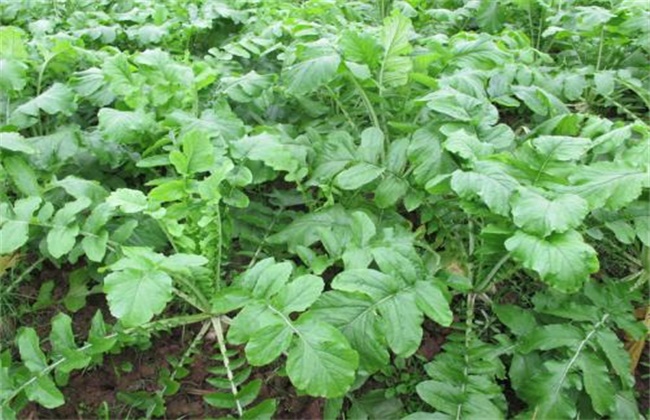
I. Causes
1. Temperature
The radish is a biennial crop. In the first year it undergoes vegetative growth, and after low-temperature storage through the winter, it bolts and flowers in the spring of the second year. At this time, flower bud differentiation in the radish requires low-temperature conditions; this need for low temperature to carry out flower bud differentiation and thereby bring about flowering is called vernalization. Different varieties require different temperatures and durations. Generally, northern varieties require lower temperatures and longer durations, while southern varieties require higher temperatures and shorter durations. In the same region and the same season, different varieties have different low-temperature requirements. Generally, winter-spring type varieties require lower temperatures and longer durations, while summer-autumn type varieties can pass through the vernalization stage even at higher temperatures. Small varieties have stricter vernalization requirements and are less prone to bolting, while large varieties bolt more easily than small ones. When sown in spring, later sowing can also cause some plants to bolt and flower.
2. Light
The radish is a long-day plant. Under long-day conditions, flower bud development and bolting are promoted, so long daylight is a necessary condition for radish flowering and bolting. Therefore, spring cultivation is more prone to bolting than winter cultivation. This is because although winter temperatures are low, the growing point has already undergone flower bud differentiation, and the short daylight hours in winter satisfy the conditions for flower bud differentiation. So if you want radishes not to bolt, the seedling stage temperature should preferably be kept above 11 degrees, and the growing period should be kept as cool as possible.
II. Prevention Measures
1. Select Excellent Varieties
It is necessary to understand the low-temperature vernalization requirements of different varieties, especially for spring cultivation varieties. If a southern variety is planted in the north and sown in early spring, bolting will occur. If seeds are introduced from a local area with lower temperatures for planting, premature bolting is less likely to occur.
2. Ensure Proper Timing
Once you understand the temperature conditions required for flower bud differentiation of the variety being grown, the temperature at sowing time should be higher than its vernalization temperature, so that it will not bolt or will bolt less.
3. Temperature Regulation
In overall temperature regulation, the early stage is a high-temperature maintenance period and the later stage is a low-temperature control period. That is, keep temperatures high during the seedling stage to promote seed germination and seedling growth and avoid low-temperature vernalization. Therefore, whether sowing is early or late must be based on the results that can be achieved by heat preservation. If heat preservation is difficult, the sowing date must be delayed.
4. Strengthen Management
Before sowing, the soil must be plowed, with decomposed organic fertilizer used as base fertilizer. After preparing the land, cover it with plastic film and set up arched sheds, and sow when the shed temperature stabilizes above 11 degrees. After sowing, keep the shed sealed to prevent low temperatures. When the temperature is above 25 degrees, ventilate properly to cool it down. After the air temperature rises, increase ventilation at noon. When the fleshy root is expanding, it is advisable to maintain a temperature of 18-20 degrees to prevent high temperatures from inhibiting growth.
The above is an introduction to the causes of and prevention measures for premature bolting in radishes. We hope it helps you. To learn more related knowledge, please stay tuned to us.