Detailed Explanation of Hot Pepper Planting Techniques and Management Methods
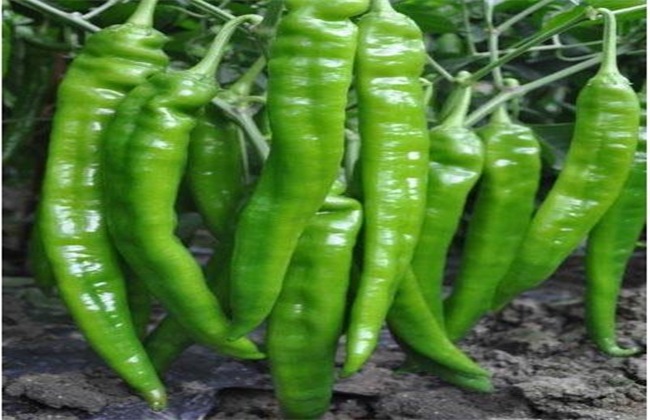
Hot pepper is the most common chili pepper in our daily lives, and it is a very popular side dish in some provinces of our country. The planting area of hot pepper is constantly expanding along with our country's market demand, and it has gradually become a pillar industry in many regions. The planting area is still being expanded now, so how do we plant hot pepper? Below, the editor brings you the planting techniques for hot pepper. Let's take a look!
1. Seed Soaking and Seedling Raising
Before sowing hot pepper seeds, first sun-dry the seeds for about 5 hours, then soak the seeds in warm water at about 55°C for a quarter of an hour. Stir while soaking until the water temperature drops to 30°C. Then let them soak for about 9 hours and let them dry in the shade. Before sowing, disinfect the soil, and water thoroughly with sufficient base fertilizer. Then mix the seeds evenly with mud ash before sowing. After sowing, cover with a layer of mud ash, then cover with grass, and set up a small arched shed. Strengthen management to promote germination and breaking through the soil.
2. Seedling Management
During seedling growth, thin the seedlings about twice. If the temperature rises to 30°C, remove the film in time. The film should be removed in the morning, and then covered back at around 3 PM. If whitening and water deficiency appear, water in time. When the seedlings grow two true leaves and one heart leaf, proper seedling separation and temporary planting should be carried out. Thinning and final singling are indispensable management tasks during the hot pepper seedling stage. To ensure each seedling has sufficient growth space, the principle of keeping the strong and removing the weak should be followed to improve the overall quality of the hot pepper plants.
3. Timely Field Planting
Before field planting, we should choose soil with normal drainage and irrigation, a thick soil layer, sufficient fertility, and a previous crop that is not Solanaceae as the planting site. Then apply about 120 kg of quicklime per mu to adjust the soil pH and disinfect it. Then deep-plow the soil, prepare the land and make beds, and apply sufficient base fertilizer. Carry out field planting when the seedlings grow 9 true leaves and the time reaches about two months. Plant two rows per bed, and the plant spacing should be kept at about 35 cm. Transplanting with soil is the main method. During field planting, pay attention to watering the roots well, and appropriate agents such as Dexon can be added to the water to eliminate underground pests and pathogens.
4. Strengthen Management
In addition to applying sufficient fertilizer and watering thoroughly before planting, we should manage water and fertilizer well according to the growth of hot pepper. When the first batch of fruits expands, carry out the first topdressing, and then topdress once after each fruit harvest, but pay attention to controlling the amount to avoid fertilizer damage. During rainy days, pay attention to drainage to avoid waterlogging damage. Then pay attention to doing well in intertillage and weeding to improve soil quality and prevent weeds from competing for the growth nutrients and water of hot pepper. Finally, strengthen pest and disease control to ensure the yield of hot pepper.
The above is a brief introduction to hot pepper planting techniques. Planting hot pepper is actually very simple, and the yield is relatively high, but if we want to ensure normal growth, we still need to do a good job in management, so everyone must pay more attention. That's all for today's introduction. This article is for reference only, and I hope it can help everyone!