Key Technical Points for Direct-Seeding Mung Bean Cultivation in Summer
Mung bean is a very important minor grain crop in China, with very high nutritional value, and is a crop that combines both food and medicinal uses. It has effects such as cooling and relieving summer heat, and after entering summer, mung bean can still be sown and planted. Summer mung bean cultivation is mainly based on direct seeding, so how exactly should it be done? Below, the editor brings you the summer direct-seeding techniques for mung bean. Let's take a look!
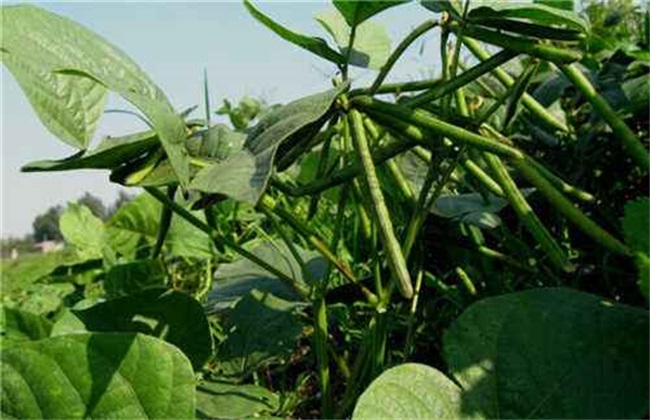
1. Seed selection and land preparation
A good variety is the key to growing high-quality, high-yield mung bean. When selecting varieties, we should choose excellent varieties that are upright, compact, grow vigorously, have strong branching ability, and are not prone to lodging, such as Lulu No. 1. Then the soil must be well chosen; soil selection is also very important. The soil must have good drainage and irrigation capacity and be soft and loose. After selecting the soil, carry out land preparation work, plow the soil deep and level it, and apply about 1800kg of base fertilizer.
2. Appropriate early sowing
The sowing time for summer mung bean should be appropriately early, because due to summer weather and other factors, appropriate early sowing is directly proportional to yield. The sowing time is best carried out in early June, and the sowing rate should be controlled according to the planting area. Generally, about 2kg is sown per mu, and before sowing, we also need to dig the sowing holes. Keep the hole depth at about 4 cm, control the row spacing at about 45 cm, then sow and cover with soil, and water appropriately to promote germination.
3. Field management
Compared with other crops, mung bean has a relatively short growth period. Therefore, our management work must be appropriately advanced, and thinning and final singling should begin when the mung bean seedlings produce the second compound leaf. Control the plant spacing at 12cm, and keep 10,000 plants per mu. Then during the mung bean seedling stage, some nitrogen fertilizer can be appropriately applied as a top dressing, mainly urea, to ensure vigorous growth of the mung bean. It should be noted that mung bean fields are prone to weed damage, so weed control must be done well when the plants produce 1 or 2 compound leaves and before budding.
4. Pest and disease control ⟧11⟧Pest and disease control is an indispensable task in summer mung bean cultivation. Common pests and diseases of mung bean include leaf spot, aphids, and pod borers. These pests and diseases are all very harmful to mung bean and will damage different growing parts of the mung bean. This causes mung bean yield, quality, and so on to be very seriously affected. Therefore, we must pay close attention. When disease symptoms appear, we must identify the specific pests and diseases, and then take corresponding measures.
Pest and disease control is an indispensable part of growing mung beans in summer. The common pests and diseases of mung beans include leaf spot, aphids, pod borers, and so on. These pests and diseases are very harmful to mung beans, attacking different parts of their growth. They cause very serious impacts on mung bean yield and quality. Therefore, we must pay close attention. When symptoms appear, we must identify the specific pest or disease, and then take the corresponding measures.
5. Timely harvest
As just mentioned, the growth period of mung bean is relatively short, so we should frequently observe the growth of the mung bean. When the mung bean pods turn black, it means the mung bean has matured, and at this time we should harvest promptly. We should reasonably adjust the harvest method according to the mung bean variety. In general, harvesting in batches is the main method. For some varieties that easily split their pods, a one-time harvest can be carried out when 4/5 of the pods turn black.
The above is a brief introduction to the summer direct-seeding techniques for mung bean. The yield of mung bean is relatively high, but we also need to do a good job in management to ensure the normal growth of mung bean. That is all for today's introduction. This article is for reference only, and I hope it can help everyone!